

Introduction
As businesses continue to move their applications, data, and services to the cloud, protecting digital assets has become more important than ever. Cloud computing offers flexibility, scalability, and cost savings, but it also introduces new cybersecurity challenges. Without proper protection, organizations may face data breaches, ransomware attacks, unauthorized access, and compliance issues. This is where cloud security software plays a vital role.
Cloud security software helps organizations safeguard cloud-based systems, applications, and sensitive information from cyber threats. It provides tools for data encryption, identity management, threat detection, compliance monitoring, and continuous security monitoring. Whether a company uses public, private, or hybrid cloud environments, cloud security software ensures that critical business data remains protected.
This article explores what cloud security software is, its key features, benefits, common use cases, and tips for choosing the best solution.

What Is Cloud Security Software?
Cloud security software is a cybersecurity solution designed to protect cloud infrastructure, applications, and data from security threats. It helps businesses secure cloud platforms such as Infrastructure as a Service (IaaS), Platform as a Service (PaaS), and Software as a Service (SaaS).
Unlike traditional security tools that focus on on-premises networks, cloud security software is specifically built to monitor and secure cloud environments. It provides centralized visibility, automated threat detection, and policy enforcement across multiple cloud services.
Organizations of all sizes use cloud security software to maintain confidentiality, integrity, and availability of their data while meeting industry compliance requirements.
Why Cloud Security Is Important
As more organizations adopt cloud technologies, cybercriminals increasingly target cloud environments. Common risks include:
- Data breaches
- Malware and ransomware attacks
- Unauthorized account access
- Insider threats
- Misconfigured cloud resources
- Phishing attacks
- API vulnerabilities
- Data loss
Cloud security software helps identify and mitigate these risks before they cause significant damage.
Key Features of Cloud Security Software
1. Data Encryption
Encryption protects sensitive information by converting it into unreadable data that only authorized users can access.
Cloud security software encrypts:
- Files
- Databases
- Emails
- Cloud storage
- Data transfers
This helps prevent unauthorized access even if data is intercepted.
2. Identity and Access Management (IAM)
Identity management ensures that only authorized users can access cloud resources.
Features often include:
- Multi-factor authentication (MFA)
- Single sign-on (SSO)
- Role-based access control
- User permissions
- Password management
These controls reduce the risk of unauthorized access.
3. Threat Detection
Modern cloud security platforms continuously monitor cloud environments for suspicious activity.
They can detect:
- Malware infections
- Unusual login attempts
- Privilege escalation
- Unauthorized file access
- Network attacks
Advanced solutions use artificial intelligence (AI) and machine learning to identify threats in real time.
4. Security Monitoring
Continuous monitoring provides visibility into cloud environments 24/7.
Administrators receive alerts about:
- Security incidents
- Failed login attempts
- Configuration changes
- Compliance violations
- High-risk activities
This allows security teams to respond quickly.
5. Compliance Management
Many industries must comply with regulations regarding data protection.
Cloud security software helps organizations meet standards such as:
- GDPR
- HIPAA
- PCI DSS
- ISO 27001
- SOC 2
Automated compliance reporting simplifies audits and reduces administrative work.
6. Backup and Disaster Recovery
Reliable backup features ensure business continuity in the event of:
- Cyberattacks
- Hardware failures
- Human error
- Natural disasters
Organizations can quickly restore important data and minimize downtime.
7. Vulnerability Management
Cloud security software regularly scans systems for security weaknesses.
It identifies:
- Outdated software
- Missing security patches
- Misconfigured settings
- Weak passwords
- Exposed services
Early detection helps organizations fix vulnerabilities before attackers exploit them.
8. Firewall and Network Protection
Cloud firewalls monitor incoming and outgoing traffic.
They help block:
- Unauthorized connections
- Malicious traffic
- Distributed Denial-of-Service (DDoS) attacks
- Suspicious IP addresses
Network security controls strengthen overall cloud protection.
Benefits of Cloud Security Software
Improved Data Protection
Sensitive business information remains protected against cyber threats through encryption, access controls, and monitoring.
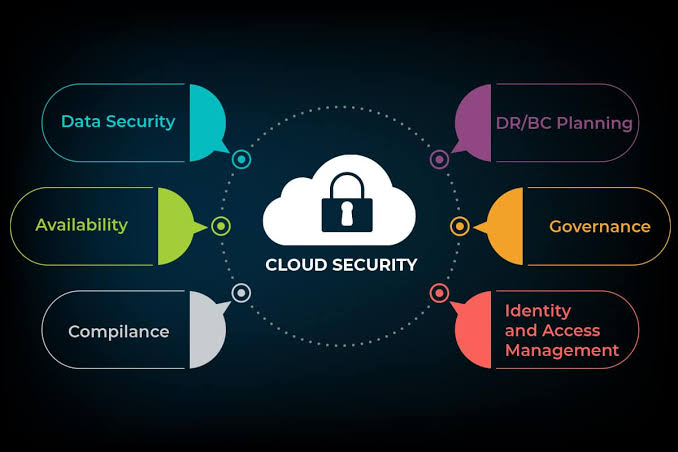
Enhanced Regulatory Compliance
Automated compliance tools help organizations maintain industry standards and prepare for audits with less effort.
Reduced Cybersecurity Risks
Continuous monitoring and automated threat detection reduce the likelihood of successful cyberattacks.
Better Visibility
Centralized dashboards provide security teams with real-time insights into cloud environments, user activity, and potential risks.
Increased Business Continuity
Backup and disaster recovery features help organizations recover quickly after unexpected incidents.
Cost Savings
Preventing data breaches and minimizing downtime can significantly reduce financial losses associated with cyber incidents.
Industries That Use Cloud Security Software
Cloud security software is widely used across various sectors, including:
Healthcare
Hospitals and clinics protect patient records and comply with healthcare privacy regulations.
Financial Services
Banks and financial institutions secure customer data, online transactions, and payment systems.
Retail
Retail businesses protect customer payment information and e-commerce platforms.
Education
Schools and universities secure student records, online learning platforms, and research data.
Government
Government agencies safeguard confidential information and critical infrastructure.
Technology Companies
Software companies use cloud security to protect applications, source code, and cloud-hosted services.
Cloud Security Best Practices
Organizations can strengthen cloud security by following these best practices:
- Enable multi-factor authentication for all users.
- Use strong passwords and password managers.
- Encrypt sensitive data at rest and in transit.
- Apply security patches promptly.
- Monitor cloud activity continuously.
- Restrict user permissions based on job roles.
- Perform regular security audits.
- Back up critical data frequently.
- Educate employees about phishing and cybersecurity awareness.
How to Choose the Best Cloud Security Software
When evaluating cloud security solutions, consider the following factors:
Scalability
Choose software that can grow with your organization and support increasing workloads.
Ease of Use
A user-friendly interface simplifies deployment, monitoring, and incident response.
Integration
Ensure compatibility with your cloud providers, security tools, and business applications.
Automation
Look for automated threat detection, compliance checks, and incident response capabilities.
Reporting
Comprehensive dashboards and detailed reports help monitor security performance and compliance status.
Customer Support
Reliable technical support and documentation are essential for successful implementation.

Future Trends in Cloud Security Software
Cloud security continues to evolve with emerging technologies. Some key trends include:
- Artificial Intelligence (AI)-powered threat detection
- Zero Trust security architecture
- Extended Detection and Response (XDR)
- Secure Access Service Edge (SASE)
- Cloud-native application protection
- Automated compliance management
- Behavioral analytics
- Container and Kubernetes security
- AI-assisted incident response
These innovations help organizations defend against increasingly sophisticated cyber threats while improving operational efficiency.
Also Read:https://www.kaspersky.com/
Conclusion
Cloud security software is a critical component of modern cybersecurity strategies. As organizations continue to migrate applications and data to cloud environments, protecting these assets becomes more important than ever. By providing advanced features such as encryption, identity management, threat detection, compliance monitoring, and disaster recovery, cloud security software helps businesses reduce risks and maintain a strong security posture.
Whether you are a small business adopting cloud services for the first time or a large enterprise managing multiple cloud platforms, investing in reliable cloud security software can improve data protection, ensure regulatory compliance, and strengthen overall business resilience. As cyber threats continue to evolve, adopting a comprehensive cloud security solution is essential for safeguarding your organization’s future.