
Introduction
Managing visitors is an essential part of running a safe and professional workplace. Whether it is an office, school, hospital, factory, or corporate headquarters, organizations need a reliable way to monitor who enters and exits their premises. Traditional paper logbooks are no longer sufficient because they are slow, difficult to manage, and can pose security risks. This is where visitor management software becomes invaluable.
Visitor management software is a digital solution that streamlines the visitor check-in process, enhances workplace security, and improves the overall visitor experience. It replaces manual sign-in sheets with automated systems that allow organizations to track visitors, issue badges, notify hosts, and maintain secure visitor records.
This guide explains what visitor management software is, its features, benefits, applications, and how to choose the right solution for your business.
What Is Visitor Management Software?
Visitor management software is a cloud-based or on-premise application designed to manage visitor registrations, check-ins, check-outs, and visitor records electronically. It allows organizations to know exactly who is on-site at any given time while improving efficiency and security.
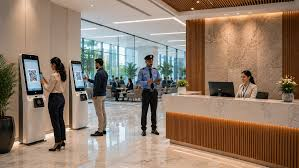
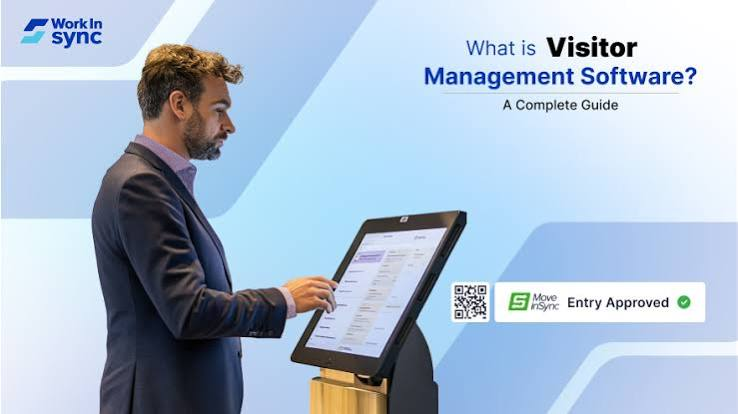
Instead of filling out paper forms, visitors can check in using a tablet, touchscreen kiosk, smartphone, or QR code. The system stores visitor information securely and can automatically notify employees when their guests arrive.
Visitor management software is commonly used by:
- Corporate offices
- Schools and universities
- Hospitals and clinics
- Government buildings
- Manufacturing plants
- Warehouses
- Hotels
- Residential communities
- Event venues
Why Businesses Need Visitor Management Software
Managing visitors manually creates several challenges, including:
- Long wait times at reception
- Inaccurate visitor records
- Poor security
- Difficult emergency evacuation tracking
- Lost paper logs
- Limited visitor insights
Modern visitor management software solves these issues by automating the entire visitor registration process.
Key Features of Visitor Management Software
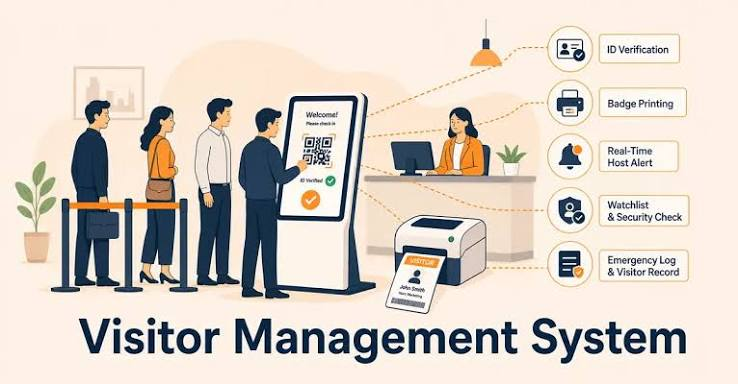
1. Digital Visitor Check-In
Visitors can quickly sign in using:
- Touchscreen kiosks
- Tablets
- Mobile devices
- QR codes
- Self-service kiosks
The digital process is much faster than paper logbooks.
2. Pre-Registration
Employees can register visitors before their arrival.
The system sends guests:
- Invitations
- QR codes
- Arrival instructions
- Parking information
- Meeting details
Pre-registration reduces waiting time and creates a smooth visitor experience.
3. Badge Printing
After check-in, the software can automatically print visitor badges containing:
- Visitor name
- Company name
- Host name
- Visit date
- QR code
- Photo (optional)
Badges improve workplace security by making visitors easily identifiable.
4. Host Notifications
When a visitor checks in, the software instantly alerts the employee through:
- SMS
- Mobile app notifications
- Microsoft Teams
- Slack
This eliminates unnecessary waiting at the reception desk.
5. Visitor Database
The software securely stores visitor information, including:
- Name
- Contact details
- Company
- Purpose of visit
- Arrival time
- Departure time
- Visit history
This makes future visits faster and easier.
6. Security Screening
Many visitor management systems integrate with security databases to:
- Verify identities
- Check watchlists
- Screen restricted visitors
- Confirm appointments
This helps protect employees and company assets.
7. Compliance Management
Certain industries must comply with privacy and security regulations.
Visitor management software assists with:
- Consent forms
- NDA agreements
- Health questionnaires
- Safety acknowledgments
- Data retention policies
8. Emergency Evacuation Reports
In an emergency, organizations need to know who is inside the building.
Visitor management software generates real-time occupancy reports that help emergency responders account for:
- Visitors
- Contractors
- Employees
- Temporary workers
Benefits of Visitor Management Software
Enhanced Security
Knowing who enters your building greatly improves workplace security.
Organizations can prevent unauthorized access while maintaining complete visitor records.
Faster Check-In Process
Digital registration significantly reduces waiting times.
Visitors enjoy a professional and efficient arrival experience.
Improved Visitor Experience
A smooth check-in process creates a positive first impression.
Automatic notifications ensure guests are greeted promptly by their hosts.
Better Compliance
Electronic records simplify audits and help organizations comply with privacy regulations and workplace policies.
Reduced Administrative Work
Reception staff spend less time completing paperwork and more time assisting visitors.
Automation improves productivity across the organization.
Accurate Visitor Records
Unlike paper logbooks, digital records are searchable, organized, and securely stored.
Businesses can quickly retrieve visitor information whenever needed.
Industries That Use Visitor Management Software
Corporate Offices
Companies use visitor management systems to:
- Register guests
- Manage contractors
- Improve office security
- Track visitor activity
Healthcare
Hospitals use visitor management software to:
- Screen visitors
- Manage patient visits
- Control restricted areas
- Maintain visitor records
Education
Schools and universities use visitor systems to:
- Register parents
- Track guests
- Protect students
- Monitor campus access
Manufacturing
Factories monitor:
- Contractors
- Vendors
- Delivery personnel
- Maintenance workers
Visitor tracking improves workplace safety and compliance.
Government Buildings
Government agencies use visitor management software to maintain strict access control and enhance facility security.
Cloud-Based vs On-Premise Visitor Management Software
Cloud-Based Software
Advantages include:
- Remote access
- Automatic updates
- Lower maintenance costs
- Easy scalability
- Secure cloud backups
Cloud-based systems are popular because they require minimal IT infrastructure.
On-Premise Software
Installed on local servers, on-premise solutions provide:
- Full data control
- Internal hosting
- Custom security settings
However, they often require more maintenance and higher upfront costs.
How to Choose the Best Visitor Management Software
When selecting software, consider these factors:
Ease of Use
The system should have an intuitive interface for both visitors and staff.
Mobile Compatibility
Support for smartphones and tablets enables flexible check-in options.
Integration
Choose software that integrates with:
- Access control systems
- Microsoft 365
- Google Workspace
- Calendar applications
- Security systems
Customization
Look for customizable:
- Visitor forms
- Badge designs
- Notifications
- Approval workflows
Reporting
Comprehensive reports provide insights into visitor traffic, peak hours, and security trends.
Customer Support
Reliable technical support ensures smooth implementation and ongoing maintenance.
Best Practices for Implementing Visitor Management Software
To maximize effectiveness:
- Train reception staff thoroughly.
- Encourage visitor pre-registration.
- Update visitor policies regularly.
- Monitor visitor reports frequently.
- Review security settings.
- Protect visitor data with strong privacy practices.
- Perform regular software updates.
Future Trends in Visitor Management Software
Technology continues to improve visitor management systems.
Emerging trends include:
- Artificial Intelligence (AI) visitor screening
- Facial recognition authentication
- Contactless check-in
- QR code-based entry
- Mobile visitor passes
- Digital identity verification
- Cloud-based analytics
- Smart building integration
- Internet of Things (IoT) connectivity
These innovations make workplaces more secure while providing a seamless visitor experience.
Also Read:https://www.aratek.co/
Conclusion
Visitor management software has become an essential solution for organizations that value security, efficiency, and professionalism. By replacing outdated paper logbooks with digital check-in systems, businesses can streamline visitor registration, improve compliance, and create a better first impression for guests.
Whether you operate a small office, a healthcare facility, a manufacturing plant, or a large corporate campus, investing in visitor management software can strengthen security, reduce administrative work, and provide valuable insights into visitor activity. As technology continues to evolve, modern visitor management systems will play an even greater role in creating safe, connected, and efficient workplaces.