
Creating a comfortable home office does not require a large room. Even a small corner, bedroom area, or unused space can become a practical workspace with the right planning. Whether you work from home, study, manage a small business, or simply need a quiet place for computer tasks, smart design can help you make the most of limited space.
The best small home office ideas focus on organization, comfort, lighting, and functionality. Instead of filling a small room with large furniture, choose items that serve a purpose and keep the workspace simple.
1. Choose the Right Location
The first step in creating a small home office is finding the right location. You do not necessarily need a separate room. A quiet corner of a bedroom, living room, hallway, or even an unused closet can work.
Try to choose an area with enough natural light and limited distractions. If possible, position your desk near a window. Natural light can make the workspace feel brighter and more welcoming.
If your home is busy, choose a location away from the television or areas where people frequently walk through.
2. Use a Compact Desk
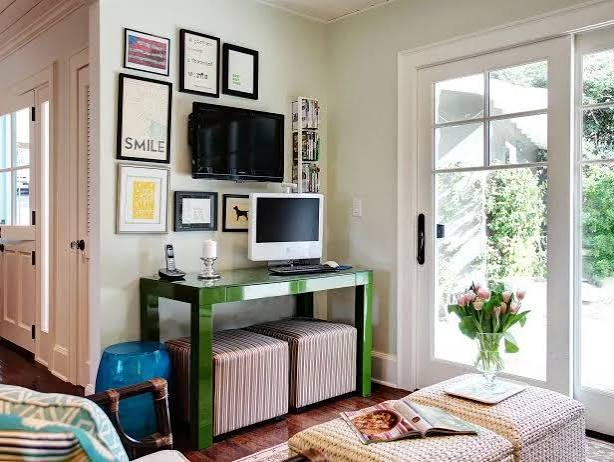
A large desk can quickly make a small office feel crowded. Instead, look for a compact desk that provides enough space for your computer, keyboard, notebook, and other essentials.
A narrow writing desk can be a great choice for limited spaces. Wall-mounted desks are another useful option because they can provide a workspace without taking up much floor area.
Choose a desk based on how you work. If you use only a laptop, you may need much less space than someone who uses multiple monitors.
3. Take Advantage of Vertical Space
When floor space is limited, look upward. Walls provide valuable storage opportunities that are often overlooked.
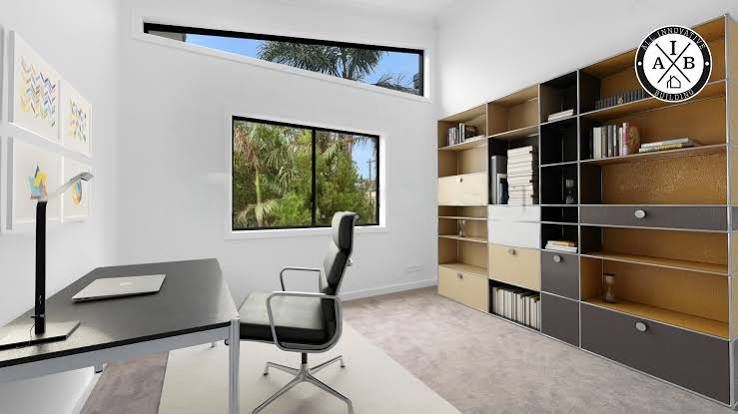
Install floating shelves above your desk for books, notebooks, small storage boxes, and decorations. A wall organizer can also help keep frequently used items within reach.
Using vertical storage keeps your desk clear and allows you to store more items without adding another cabinet to the room.
4. Keep Your Desk Organized
A clean desk can make a small workspace feel much larger. Avoid keeping unnecessary items on your desk.
Use small organizers for pens, cables, notebooks, and other accessories. A cable-management system can also prevent wires from becoming tangled.
Try to give every important item its own place. At the end of your workday, spend a few minutes putting things back where they belong.
5. Pick a Comfortable Chair
A small home office still needs a comfortable chair. Since you may spend several hours working or studying, comfort should be an important consideration.
Choose a chair that supports good sitting posture and fits comfortably under your desk. A chair with adjustable height can be especially useful.
Avoid choosing a chair simply because it looks attractive. Your workspace should be designed around both appearance and everyday comfort.
6. Add Good Lighting
Lighting can make a major difference in a small office. If you have access to natural light, use it during the day.
For evenings or darker areas, add a desk lamp or another suitable light source. Position the light so that it does not create distracting reflections on your computer screen.
A well-lit workspace can make reading, writing, and computer work more comfortable.
7. Use Multi-Purpose Furniture
Furniture that serves more than one purpose can be extremely useful in a small home office.
For example, choose a desk with built-in drawers or shelves. A storage ottoman can provide seating and storage at the same time.
Foldable furniture can also be useful. A folding desk can be closed when you finish working, helping the room return to its normal function.
8. Create a Minimalist Workspace
Minimalism works particularly well in small offices. Too many decorations, accessories, and pieces of furniture can make the space feel crowded.
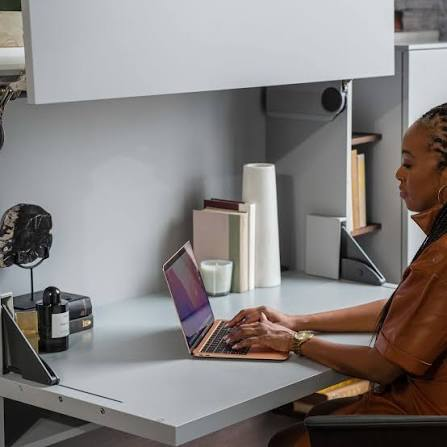
Choose a simple color scheme and keep decorations limited. A small plant, wall art, or desk accessory can add personality without taking over the workspace.
The goal is not to make the office completely empty. Instead, keep only the things that are useful or meaningful to you.
9. Hide Cables and Electronics
Computer cables can quickly make a small office look messy. Use cable clips, cable sleeves, or other simple organization methods to keep wires together.
Place power strips somewhere that is easy to reach but not directly on the desk. If your desk has a cable-management opening, use it to route wires neatly.
A cleaner cable setup can make the entire office look more organized.
10. Use a Wall-Mounted Monitor
If you use a desktop computer, mounting your monitor on the wall can save valuable desk space. A monitor arm can also allow you to adjust the screen’s position.
This can leave more room for notebooks, speakers, or other equipment. Before installing anything, make sure the wall and mounting hardware are suitable for the equipment.
11. Add Small Storage Solutions
You do not need a large filing cabinet to organize a small home office. Small storage boxes, baskets, drawers, and wall shelves can provide plenty of useful space.
Label storage containers if you keep many different types of documents or supplies. This makes it easier to find things without searching through every box.
Choose storage that fits the available space rather than buying furniture first and trying to make it fit afterward.
12. Make the Office Feel Personal
A productive workspace should also feel comfortable and personal. Add a few things that make you enjoy spending time there.
You could use a small plant, a simple piece of artwork, a calendar, or a few favorite desk accessories. Keep decorations balanced so they do not interfere with your work.
Even a very small office can have its own style.
13. Use Light Colors
Light colors can make a small room feel more open. White, soft gray, beige, light blue, and other neutral shades can work well in compact workspaces.
You do not have to repaint the entire room. Light-colored furniture, curtains, shelves, or accessories can also create a brighter appearance.
If you prefer darker colors, use them as accents rather than covering every surface.
14. Keep Work and Personal Life Separate
If your home office is located inside a bedroom or living room, creating a visual separation can help define the workspace.
A small bookshelf, room divider, curtain, or different wall color can separate the office area from the rest of the room.
When your workday ends, try to close your laptop and clear the desk. This can help the area feel less like a workplace during your personal time.
15. Plan Before Buying Furniture
One of the biggest mistakes people make when designing a small office is buying furniture without measuring the space.
Measure the available area before purchasing a desk, chair, shelves, or storage units. Think about where doors, windows, electrical outlets, and other furniture are located.
A simple floor plan can help you understand how everything will fit.
Also Read:https://www.thenordroom.com/
Conclusion
A small home office can be comfortable, attractive, and highly functional when the available space is used wisely. You do not need an expensive desk or a large room to create an effective workspace.
Start by choosing the right location, then select a compact desk and comfortable chair. Use vertical storage, organize cables, improve lighting, and remove unnecessary clutter. Multi-purpose furniture and minimalist design can also help you get more value from limited space.
The best small home office ideas are the ones that match your daily needs. Whether you are working, studying, or managing personal projects, a well-organized workspace can help you stay comfortable and focused while making your home feel more organized.