
Introduction
Managing buildings, equipment, maintenance tasks, and workplace resources can be challenging for organizations of any size. Whether it’s an office building, hospital, school, manufacturing plant, or retail store, efficient facility management is essential for maintaining safety, reducing costs, and improving productivity. Traditional methods such as spreadsheets and paper records often lead to inefficiencies and missed maintenance schedules. This is where facility management software becomes an essential business tool.
Facility management software is a digital solution that helps organizations oversee the daily operations of buildings and physical assets. It centralizes maintenance requests, asset tracking, space management, work orders, compliance records, and reporting into one easy-to-use platform. By automating routine tasks and providing real-time insights, facility management software enables businesses to improve operational efficiency while extending the lifespan of valuable assets.
This article explains what facility management software is, its key features, benefits, applications, and tips for selecting the right solution.
What Is Facility Management Software?
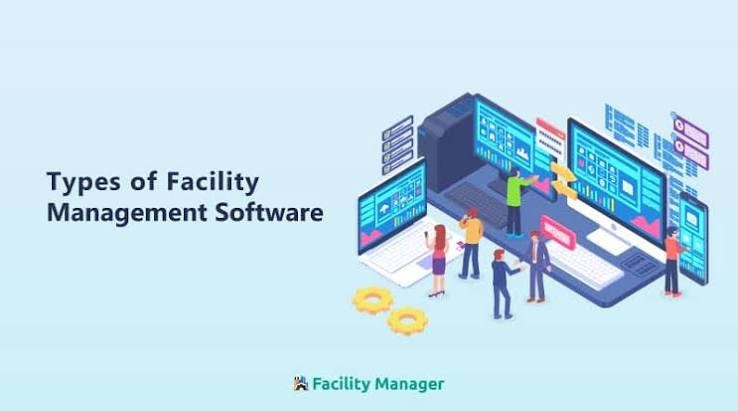
Facility management software is a computer application designed to help businesses manage buildings, equipment, maintenance activities, and workplace operations. It provides a centralized platform where facility managers can monitor assets, schedule preventive maintenance, assign work orders, track inventory, and generate performance reports.
Many modern solutions are cloud-based, allowing managers to access facility information from desktops, tablets, or smartphones. This flexibility helps maintenance teams respond quickly to issues regardless of their location.
Organizations that commonly use facility management software include:
- Corporate offices
- Hospitals and healthcare facilities
- Educational institutions
- Manufacturing plants
- Government agencies
- Hotels and hospitality businesses
- Warehouses
- Retail stores
- Property management companies
Why Facility Management Software Is Important
Facilities contain valuable assets that require regular maintenance to operate safely and efficiently. Without proper management, businesses may experience:
- Equipment breakdowns
- Increased maintenance costs
- Safety hazards
- Compliance violations
- Poor space utilization
- Reduced employee productivity
- Unexpected downtime
Facility management software helps organizations prevent these problems through automation, scheduling, and real-time monitoring.
Key Features of Facility Management Software
1. Work Order Management
The software allows facility managers to create, assign, and track maintenance work orders.
Employees can:
- Report maintenance issues
- Assign technicians
- Set priorities
- Monitor progress
- Confirm task completion
Digital work orders improve communication and reduce response times.
2. Preventive Maintenance Scheduling
Preventive maintenance helps reduce equipment failures.
The software automatically schedules maintenance for:
- HVAC systems
- Elevators
- Electrical systems
- Plumbing
- Fire safety equipment
- Machinery
Regular servicing extends equipment lifespan and reduces costly repairs.
3. Asset Management
Facility management software maintains detailed records of physical assets, including:
- Equipment information
- Purchase dates
- Warranty details
- Service history
- Maintenance costs
- Expected replacement dates
This information supports better budgeting and asset planning.
4. Space Management
Organizations can efficiently manage office space by tracking:
- Room availability
- Desk assignments
- Meeting rooms
- Occupancy levels
- Floor plans
Better space utilization helps reduce operating costs.
5. Inventory Management
Maintenance teams often require spare parts and supplies.
Facility management software tracks inventory such as:
- Tools
- Replacement parts
- Cleaning supplies
- Safety equipment
- Maintenance materials
Automatic inventory alerts prevent shortages.
6. Compliance Management
Many facilities must comply with safety and regulatory requirements.
The software helps manage:
- Inspection schedules
- Safety certifications
- Maintenance records
- Compliance reports
- Audit documentation
This simplifies regulatory inspections and reduces legal risks.
7. Mobile Access
Many solutions include mobile applications that allow technicians to:
- Receive work orders
- Update job status
- Upload photos
- Scan barcodes
- Record maintenance activities
Mobile access improves efficiency in the field.
8. Reporting and Analytics
Facility managers can generate reports on:
- Maintenance costs
- Asset performance
- Work order completion rates
- Equipment downtime
- Energy usage
- Labor productivity
These insights help organizations make informed operational decisions.
Benefits of Facility Management Software
Improved Operational Efficiency
Automated scheduling and centralized information reduce manual work and streamline daily operations.
Reduced Maintenance Costs
Preventive maintenance minimizes expensive emergency repairs and extends equipment life.
Better Asset Performance
Regular servicing keeps equipment operating efficiently and reduces unexpected failures.
Enhanced Workplace Safety
Routine inspections and maintenance help identify hazards before they become serious problems.
Increased Productivity
Employees spend less time searching for maintenance records or managing paperwork, allowing them to focus on higher-value tasks.
Better Decision-Making
Real-time dashboards and detailed reports provide valuable insights into facility performance and maintenance trends.
Industries That Use Facility Management Software
Healthcare
Hospitals use facility management software to maintain medical equipment, HVAC systems, and regulatory compliance.
Education
Schools and universities manage classrooms, campus buildings, maintenance requests, and facility scheduling.
Manufacturing
Factories monitor machinery, preventive maintenance schedules, and equipment performance to reduce downtime.
Hospitality
Hotels manage guest rooms, maintenance tasks, cleaning schedules, and building systems.
Government
Government agencies maintain public buildings, offices, parks, and infrastructure using centralized facility management systems.
Retail
Retail stores manage lighting, refrigeration units, HVAC systems, and maintenance requests to ensure smooth daily operations.
Cloud-Based vs On-Premise Facility Management Software
Cloud-Based Software
Cloud solutions offer several advantages:
- Access from anywhere
- Automatic software updates
- Lower IT maintenance
- Easy scalability
- Secure cloud backups
Many businesses prefer cloud-based software because it is flexible and cost-effective.
On-Premise Software
Installed on local servers, on-premise software provides:
- Greater control over data
- Custom security settings
- Internal hosting
However, it usually requires higher upfront investment and ongoing maintenance.
How to Choose the Best Facility Management Software
Before selecting a solution, consider these important factors:
Ease of Use
Choose software with an intuitive interface that employees can quickly learn.
Scalability
Ensure the platform can grow with your business as your facilities expand.
Integration
Look for software that integrates with:
- Accounting systems
- ERP software
- HR systems
- Building automation systems
- IoT sensors
Mobile Functionality
Mobile access allows maintenance staff to update work orders and inspections directly from the field.
Reporting Capabilities
Comprehensive reporting helps managers evaluate maintenance performance and control costs.
Customer Support
Reliable customer support ensures smooth implementation and quick issue resolution.
Best Practices for Successful Implementation
To maximize the value of facility management software:
- Train employees thoroughly.
- Keep asset records up to date.
- Schedule preventive maintenance regularly.
- Monitor key performance indicators (KPIs).
- Review maintenance reports monthly.
- Encourage timely reporting of facility issues.
- Perform regular software updates.
Future Trends in Facility Management Software
Technology continues to transform facility management. Emerging trends include:
- Artificial Intelligence (AI) for predictive maintenance
- Internet of Things (IoT) sensors for real-time monitoring
- Smart building automation
- Mobile-first maintenance solutions
- Digital twins for facility visualization
- Energy management and sustainability tools
- Cloud-based analytics
- Automated workflow management
These innovations help organizations improve efficiency, reduce operational costs, and create safer, smarter workplaces.
Also Read:https://www.cloudapper.ai/
Conclusion
Facility management software has become an essential solution for organizations seeking to improve maintenance operations, optimize asset performance, and reduce operating costs. By centralizing work orders, preventive maintenance, asset tracking, compliance management, and reporting, businesses can streamline daily operations while creating safer and more productive work environments.
Whether you manage a single office or multiple facilities across different locations, investing in the right facility management software can deliver long-term benefits. As technology continues to evolve, modern facility management platforms will play an even greater role in helping organizations maintain efficient, sustainable, and well-managed facilities.