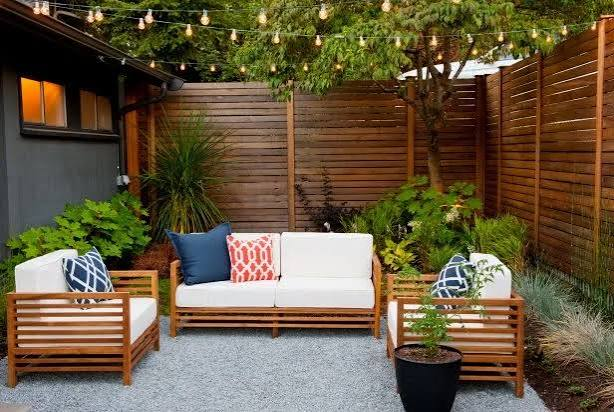

A small home can be comfortable, beautiful, and practical when the available space is used wisely. Many people believe that a home needs to be large to feel comfortable, but smart planning can make even a small space feel open and welcoming. With the right furniture, organization, colors, lighting, and layout, a small home can provide everything you need without feeling crowded.
Whether you live in a small apartment, a compact house, or a tiny home, there are many ways to make the most of every square foot. The key is to focus on functionality while keeping the design simple and organized.
What Is a Small Home?
A small home is a house or living space with limited floor area. It may have fewer rooms, smaller bedrooms, a compact kitchen, or a combined living and dining area. Small homes are becoming increasingly popular because they can be easier to maintain and may cost less to furnish and operate.
Instead of focusing on the size of the home, homeowners can focus on how effectively the space is designed. A well-planned small home can feel more comfortable than a larger home with poor organization.
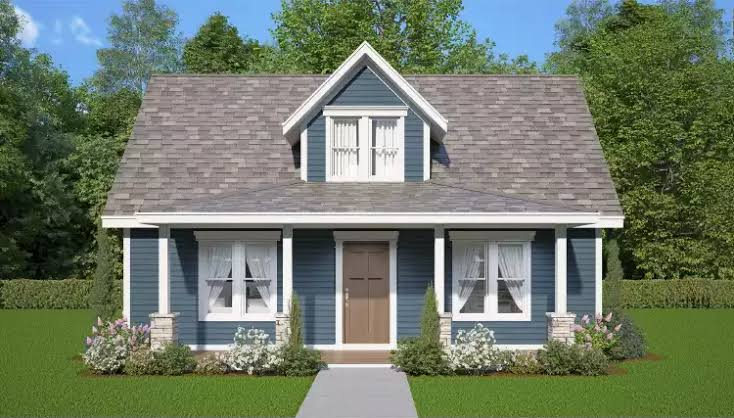
Benefits of Living in a Small Home
One major benefit of a small home is easier maintenance. There are fewer rooms and surfaces to clean, which can save time and effort.
Small homes can also encourage better organization. When space is limited, people tend to keep the things they actually use and avoid unnecessary clutter.
Another advantage is that smaller spaces can feel cozy and personal. With suitable lighting, comfortable furniture, and thoughtful decorations, a small home can create a warm atmosphere.
A smaller home may also require fewer resources for heating, cooling, and lighting. This can potentially help reduce household expenses, depending on the home’s design, location, and energy efficiency.
Choose Multifunctional Furniture
Furniture plays an important role in a small home. Instead of choosing large pieces that serve only one purpose, consider multifunctional furniture.
For example, a sofa bed can provide seating during the day and sleeping space when needed. An ottoman with hidden storage can provide a place to sit while also storing blankets, books, or other items.
A dining table that can be folded or extended is another useful choice. These options allow you to change the room according to your needs without permanently using too much floor space.
Use Vertical Space
When floor space is limited, look upward. Walls provide valuable storage opportunities that are often overlooked.
Tall bookshelves, wall-mounted cabinets, floating shelves, and vertical organizers can help keep items off the floor. This creates more walking space and can make the room feel less crowded.
In the kitchen, wall-mounted shelves can be used for dishes, cooking equipment, or decorative items. In bedrooms, vertical storage can provide additional space for clothing and personal belongings.
Keep the Home Organized
Organization is one of the most important parts of small-home living. Clutter can make a small room feel even smaller.
Give every item a specific place. Use storage boxes, baskets, drawer organizers, and shelves to keep belongings organized.
It is also useful to regularly review your possessions. Items that are no longer useful can be donated, recycled, or stored elsewhere when appropriate.
Keeping surfaces clear can make a significant visual difference. A clean table, organized countertop, and tidy floor can make the entire home appear more spacious.
Select Light Colors
Color can influence how a room feels. Light and neutral shades are often useful in small spaces because they can create a brighter and more open appearance.
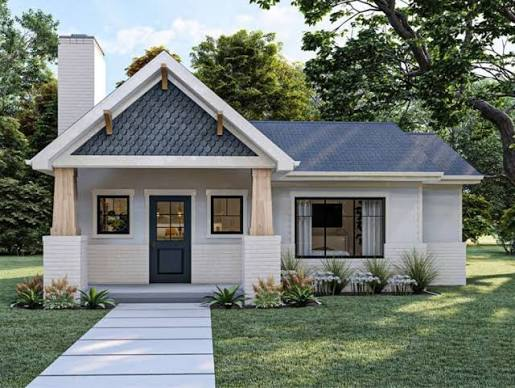
White, cream, light gray, soft beige, and other gentle shades can reflect light and make rooms feel airy. You do not need to make every part of the home the same color. Small decorative accents can add personality without overwhelming the space.
If you prefer stronger colors, consider using them in cushions, artwork, rugs, curtains, or other smaller decorative elements.
Make Good Use of Natural Light
Natural light can make a small home feel larger and more comfortable. Keep windows as clear as possible so sunlight can enter the room.
Choose curtains that allow plenty of daylight into the space while still providing privacy when needed.
Mirrors can also help reflect natural and artificial light. Placing a mirror in a suitable location can make a room appear brighter and visually larger.
Create an Open Layout
An open layout can be useful in a small home because it allows different areas to work together. For example, a living room and dining area can share one space instead of being separated by unnecessary walls.
Furniture can help define different zones. A rug can visually separate a seating area, while a small table can identify a dining space.
The goal is not necessarily to remove every wall, but to create a layout that allows people to move around comfortably.
Design a Functional Small Kitchen
A small kitchen can still be practical with careful planning. Use cabinets efficiently and consider organizers for drawers and shelves.
Wall-mounted storage can provide additional space for frequently used kitchen items. Appliances should be selected according to the available space and household needs.
Keeping countertops clear is especially important. Store appliances and cooking equipment when they are not being used if suitable storage is available.
Make a Small Bedroom Comfortable
A small bedroom should focus on comfort and simplicity. Choose furniture that fits the room instead of trying to place too many large items inside it.
A bed with built-in storage can provide additional space for clothing, bedding, or other belongings. Wall shelves can also replace bulky storage furniture in some layouts.
Keep decorations simple and choose lighting that creates a comfortable atmosphere without taking up valuable floor space.
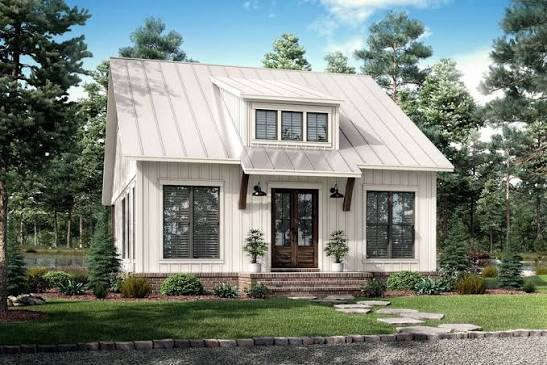
Use Smart Lighting
Good lighting can completely change the appearance of a small home. Instead of depending on one large ceiling light, consider using several light sources.
Wall lights, table lamps, floor lamps, and under-cabinet lighting can provide useful illumination in different areas.
Layered lighting can also make a small home feel warmer and more inviting. Choose lighting based on the purpose of each room and the activities performed there.
Add Personal Style
A small home does not need to look boring. Personal decorations can make the space feel unique and comfortable.
Photos, artwork, plants, cushions, rugs, and small decorative objects can add character. However, avoid filling every available surface. Select a few meaningful pieces and give them enough space to stand out.
A simple design often works especially well in smaller spaces because it keeps the home visually calm.
Also Read:https://www.countryliving.com/
Final Thoughts
Living in a small home can be a rewarding experience when the space is planned carefully. The most important goal is to make every area useful while maintaining a comfortable and organized environment.
Multifunctional furniture, vertical storage, light colors, natural lighting, smart organization, and a practical layout can make a significant difference. You do not need a huge house to create a beautiful home. With thoughtful choices and a little creativity, even a compact space can feel comfortable, functional, and welcoming.
A small home is ultimately about using space intelligently. When everything has a purpose and a place, limited space can become an advantage rather than a problem.