
How to Implement a CRM Successfully
Implementing a CRM system requires careful planning to ensure it delivers the expected benefits. Small businesses should begin by identifying their goals, such as improving customer service, increasing sales, or organising customer data more efficiently.
Step 1: Define Your Business Goals
c
- Increasing customer retention
- Improving sales performance
- Automating repetitive tasks
- Enhancing customer support
- Generating detailed business reports
Clear objectives make it easier to choose the right CRM solution.
Step 2: Choose the Right CRM
Different CRM platforms offer different features. When comparing options, consider:
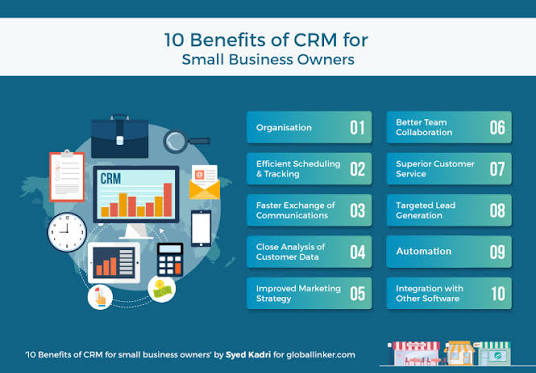
- Ease of use
- Pricing
- Scalability
- Mobile access
- Integration with existing software
- Customer support
- Security features
Selecting software that matches your business needs will provide better long-term value.
Step 3: Import Customer Data
Gather customer information from spreadsheets, email contacts, and existing databases before importing it into the CRM. Clean and organise the data to remove duplicates and outdated information.
Step 4: Train Your Team
Even the best CRM software is ineffective if employees do not know how to use it. Provide training sessions and encourage staff to update customer information regularly.
Step 5: Monitor Performance
Track CRM usage, sales performance, customer satisfaction, and productivity. Regular reviews help identify areas for improvement and ensure the system supports business growth.
Common Challenges
While CRM software offers many advantages, businesses may encounter some challenges during implementation.
Employee Resistance
Some employees may be reluctant to adopt new technology. Proper training and clear communication can help overcome this challenge.
Poor Data Quality
Incomplete or inaccurate customer information reduces the effectiveness of a CRM. Businesses should regularly review and update their records.
Lack of Clear Goals
Without defined objectives, businesses may not use all the features available. Setting measurable goals helps maximise the value of the CRM.
Integration Issues
Some businesses use multiple software applications. Choosing a CRM that integrates with accounting, marketing, and communication tools improves efficiency.
Best Practices for Using a CRM
To get the most from your CRM system:
- Keep customer information accurate and updated.
- Record every customer interaction.
- Use automation for routine tasks.
- Review reports regularly.
- Segment customers for targeted marketing.
- Follow up with leads promptly.
- Train employees continuously.
- Protect customer data with strong security practices.
Following these best practices improves customer satisfaction and business performance.
Industries That Benefit from CRM
CRM software is useful for businesses in many industries, including:
- Retail
- E-commerce
- Real estate
- Healthcare
- Financial services
- Education
- Hospitality
- Marketing agencies
- Consulting firms
- Manufacturing
Regardless of industry, any business that interacts with customers can benefit from a CRM system.
Future Trends in CRM
CRM technology continues to evolve with new innovations. Artificial intelligence is helping businesses predict customer behaviour, recommend products, and automate customer support through chatbots. Cloud-based CRM platforms allow teams to work from anywhere, while advanced analytics provide deeper insights into customer preferences.
Businesses are also adopting mobile CRM applications, enabling employees to access customer information on smartphones and tablets. As technology advances, CRM systems will become even more intelligent, helping small businesses deliver faster, more personalised customer experiences.
Frequently Asked Questions
What does CRM stand for?
CRM stands for Customer Relationship Management. It refers to the strategy and software used to manage customer interactions and relationships.
Is CRM only for large companies?
No. CRM software is suitable for businesses of all sizes. Many platforms are designed specifically for small businesses with affordable pricing and simple features.
Can CRM increase sales?
Yes. By organising leads, improving follow-ups, and providing better customer insights, CRM software can help businesses close more deals and increase revenue.
Is cloud-based CRM secure?
Most reputable cloud CRM providers use encryption, secure data centres, and regular backups to protect customer information. Businesses should also use strong passwords and enable multi-factor authentication.
How long does CRM implementation take?
The implementation time depends on the size of the business and the amount of data being migrated. Small businesses can often set up a CRM within a few days or weeks.
Also Read:https://www.agilecrm.com/
Conclusion
A CRM system is one of the most valuable tools a small business can invest in. It helps organise customer information, improve communication, automate routine tasks, and strengthen customer relationships. By providing a central location for customer data and valuable business insights, CRM software enables businesses to make informed decisions, improve efficiency, and increase sales.
Choosing the right CRM, training employees, and following best practices are key to successful implementation. As customer expectations continue to grow, businesses that use CRM effectively will be better positioned to deliver excellent service, build loyalty, and achieve sustainable growth. Whether you are just starting out or looking to expand your operations, a CRM system can provide the foundation for long-term business success.