

Quality Control in a Tech Pack
Quality control is one of the most valuable sections of a tech pack. It explains the standards that manufacturers must follow to ensure every finished product meets the brand’s expectations. This section reduces defects and ensures consistency across every production batch.
Quality control information may include:
- Fabric and material inspection standards
- Colour matching requirements
- Stitch quality guidelines
- Size tolerance charts
- Print and embroidery placement
- Packaging inspection
- Final product testing procedures
Including these details helps manufacturers maintain high-quality production while reducing returns and customer complaints.
Product Labels and Packaging
A complete tech pack should also include instructions for labels and packaging. These details ensure that products are presented professionally and comply with legal requirements.
Typical packaging information includes:
- Brand labels
- Care labels
- Size labels
- Hang tags
- Barcode placement
- Packaging materials
- Carton dimensions
- Shipping labels
Providing these specifications helps avoid confusion during the final stages of production.
Sample Development
Before mass production begins, manufacturers usually create one or more samples. These samples allow designers to evaluate the product and identify any issues.
Common sample stages include:
Prototype Sample
The first version of the product is created to test the overall design and construction.
Fit Sample
This sample focuses on measurements, proportions, and comfort. Designers review the fit and request adjustments if necessary.
Sales Sample
Sales samples are used for marketing, photography, and buyer presentations before full production begins.
Pre-Production Sample
This is the final approved sample that serves as the production standard. Manufacturers use it as the reference for mass production.
Revising a Tech Pack
A tech pack is not a static document. It should be updated whenever changes are made during product development.
Common updates include:
- Material substitutions
- Colour changes
- Revised measurements
- Construction improvements
- Cost adjustments
- Packaging updates
Keeping the tech pack current ensures everyone involved in production works from the latest information.
Common Mistakes When Creating a Tech Pack
Many beginners make avoidable mistakes that lead to manufacturing problems. Some of the most common include:
- Missing measurements
- Low-quality sketches
- Incomplete material lists
- Unclear construction notes
- Incorrect colour references
- Forgetting packaging instructions
- Using inconsistent terminology
- Not updating revisions
Avoiding these mistakes improves communication and reduces production delays.
Best Practices for Creating an Effective Tech Pack
To create a professional tech pack, follow these best practices:
- Use clear and organised formatting.
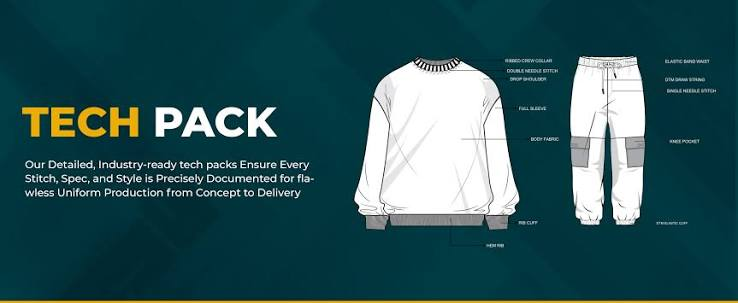
- Include accurate technical drawings.
- Provide precise measurements.
- List every material and trim.
- Add detailed construction notes.
- Include high-quality reference images.
- Record every revision with dates.
- Review the document before sending it to the manufacturer.
- Maintain consistent terminology throughout the document.
- Keep digital copies for future production runs.
These practices help manufacturers understand your requirements quickly and accurately.
Software Used to Create Tech Packs
Several design and product development tools can be used to create professional tech packs. Popular options include:
- Adobe Illustrator
- Microsoft Excel
- Google Sheets
- CLO 3D
- Browzwear
- PLM (Product Lifecycle Management) software
- Techpacker
- Autodesk Fusion (for certain product categories)
The right software depends on your industry, budget, and production requirements.
Industries That Use Tech Packs
Although tech packs are most commonly associated with fashion, they are valuable across many industries, including:
- Clothing and apparel
- Footwear
- Bags and accessories
- Sports equipment
- Furniture
- Jewellery
- Consumer electronics
- Home décor
- Promotional products
Any industry that manufactures physical products can benefit from detailed technical documentation.
Future of Tech Packs
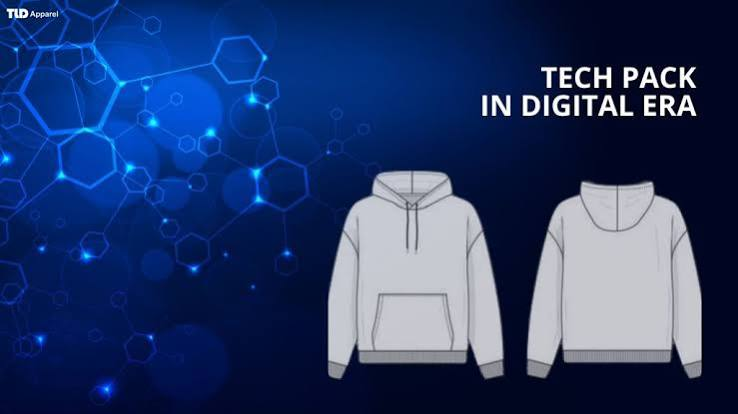
Technology continues to improve the way businesses create and manage tech packs. Many companies now use cloud-based platforms that allow designers, suppliers, and manufacturers to collaborate in real time. Artificial intelligence, 3D design tools, and digital product development are making tech packs more accurate and efficient.
In the future, digital tech packs will become even more interactive, helping businesses reduce waste, shorten development cycles, and improve communication across global supply chains.
Frequently Asked Questions
What is the purpose of a tech pack?
A tech pack provides manufacturers with all the technical information required to produce a product accurately and consistently.
Who creates a tech pack?
Fashion designers, product developers, technical designers, and manufacturing specialists usually prepare tech packs.

Is a tech pack necessary for small businesses?
Yes. Even small businesses benefit from tech packs because they reduce errors, improve communication, and save production costs.
Can a tech pack be updated?
Yes. A tech pack should be updated whenever product specifications, materials, measurements, or construction details change.
Does every product need a tech pack?
For professional manufacturing, a detailed tech pack is highly recommended because it helps ensure quality, consistency, and efficient production.
Also Read:https://www.zgtraders.com/
Conclusion
A tech pack is far more than a simple specification sheet—it is the foundation of successful product manufacturing. By documenting every detail, from technical drawings and materials to measurements, construction methods, quality standards, and packaging, a tech pack helps designers and manufacturers work together efficiently. It reduces production errors, shortens development time, controls costs, and ensures that the finished product matches the original design.
Whether you are launching your first product or managing a large manufacturing operation, investing time in creating a detailed and accurate tech pack can significantly improve production quality and business success. As manufacturing continues to evolve with digital technologies, tech packs will remain an essential tool for delivering high-quality products consistently and efficiently.