

Introduction
A Tech Pack, short for Technical Package, is one of the most important documents in the fashion and apparel industry. It acts as a blueprint for clothing manufacturers, providing every detail needed to produce a garment accurately. Whether you are an independent fashion designer, a clothing brand owner, or a large apparel company, a well-prepared tech pack helps ensure that your designs are manufactured exactly as intended.
Without a tech pack, manufacturers may misunderstand design specifications, leading to production errors, increased costs, delays, and inconsistent product quality. A detailed tech pack improves communication between designers and factories, making the production process smoother and more efficient.
This article explains what a tech pack is, why it is important, its key components, and best practices for creating one.
What Is a Tech Pack?
A tech pack is a document that contains all the technical information required to manufacture a garment. It includes detailed drawings, measurements, fabric specifications, trims, colors, stitching instructions, labels, packaging details, and quality standards.
Think of a tech pack as an instruction manual that tells the manufacturer exactly how a product should be made. It removes guesswork and ensures consistency from sample production to mass manufacturing.
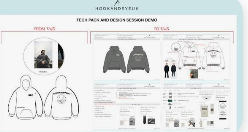
Fashion brands of all sizes use tech packs to communicate with factories worldwide.
Why Is a Tech Pack Important?
Creating a tech pack offers several advantages for designers and manufacturers.
Clear Communication
A detailed tech pack reduces misunderstandings by providing precise production instructions. Manufacturers know exactly what materials, measurements, and construction methods to use.
Better Product Quality
Accurate specifications help maintain consistency across every garment produced, resulting in higher product quality.
Faster Production
When factories receive complete information, they spend less time asking questions or making corrections, which speeds up production.
Lower Costs
Production mistakes can be expensive. A well-prepared tech pack minimizes errors, reduces material waste, and lowers manufacturing costs.
Easier Quality Control
Since every specification is documented, quality inspectors can compare finished garments against the approved standards.
Key Components of a Tech Pack
A professional tech pack typically includes the following sections.
1. Cover Page
The cover page contains basic information such as:
- Brand name
- Style number
- Product name
- Designer’s name
- Date
- Version number
This information helps manufacturers identify the correct product.
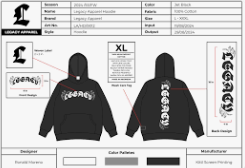
2. Technical Sketches
Technical sketches are flat drawings that show both the front and back views of the garment.
These sketches include important design details such as:
- Sleeves
- Collars
- Pockets
- Buttons
- Zippers
- Stitching lines
Unlike fashion illustrations, technical sketches focus on construction rather than artistic presentation.
3. Bill of Materials (BOM)
The Bill of Materials lists every component required to manufacture the garment.
This includes:
- Fabric
- Thread
- Buttons
- Zippers
- Elastic
- Labels
- Tags
- Packaging materials
Each item should include color, supplier information, quantity, and specifications.
4. Measurement Specifications
The measurement chart provides exact dimensions for every garment size.
Common measurements include:
- Chest
- Waist
- Hip
- Shoulder width
- Sleeve length
- Body length
- Neck opening
Manufacturers use these measurements to ensure proper sizing.
5. Fabric Details
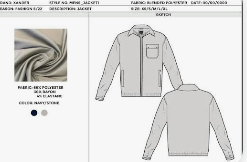
The fabric section specifies:
- Fabric type
- Material composition
- Weight
- Stretch
- Color
- Finish
Providing accurate fabric information ensures the final garment matches the original design.
6. Construction Details
This section explains how the garment should be assembled.
It may include:
- Stitch type
- Seam allowance
- Hem construction
- Reinforcement areas
- Topstitching
- Edge finishing
These details help maintain consistent workmanship.
7. Colorways
Many garments are available in multiple colors.
The tech pack lists each approved color variation, often including color codes to prevent confusion during production.
8. Labels and Packaging
Manufacturers also need instructions for branding and packaging.
This section includes:
- Neck labels
- Care labels
- Hang tags
- Size labels
- Packaging bags
- Folding instructions
- Shipping cartons
Consistent branding enhances the customer experience.
Benefits of Using a Tech Pack
Using a tech pack offers many advantages throughout the production process.
Consistency
Every production run follows the same specifications, ensuring consistent quality.
Professionalism
Manufacturers prefer working with brands that provide detailed production documents because they simplify communication.
Easier Sampling
Sample garments can be created more accurately when all specifications are clearly documented.
Better Cost Estimation
Factories can calculate material requirements and production costs more accurately.
Simplified Reorders
If a product becomes successful, manufacturers can easily reproduce it using the existing tech pack.
Common Mistakes When Creating a Tech Pack
Many beginners make mistakes that can delay production.
Avoid these common errors:
- Missing measurements
- Unclear technical drawings
- Incomplete material lists
- Incorrect sizing information
- Poor image quality
- Outdated document versions
- Missing color references
- Inconsistent terminology
Reviewing the document carefully before sending it to the factory helps avoid costly problems.
Tools Used to Create Tech Packs
Fashion designers use various software programs to create professional tech packs.
Popular tools include:
- Adobe Illustrator
- Microsoft Excel
- Google Sheets
- CLO 3D
- Browzwear
- Techpacker
- Backbone PLM
These tools help organize specifications, manage revisions, and improve collaboration with manufacturers.
Best Practices for Creating an Effective Tech Pack
To produce an accurate and useful tech pack:
- Include detailed technical sketches.
- Use clear and consistent terminology.
- Double-check all measurements.
- Specify every material and trim.
- Label every page with version numbers.
- Update the document whenever changes are made.
- Include high-quality reference images if needed.
- Communicate regularly with the manufacturer during sampling.
A well-maintained tech pack reduces production issues and improves overall efficiency.
Also Read:https://thaisonsp.com/faqs/what-is-a-tech-pack-or-spec-sheet/
Conclusion
A tech pack is an essential document in the fashion and apparel industry, serving as a complete guide for garment manufacturing. It includes technical sketches, measurements, materials, construction details, labels, packaging instructions, and quality standards. By providing clear and accurate information, a tech pack helps manufacturers produce garments that match the designer’s vision while reducing errors, saving time, and lowering production costs.
Whether you are launching a new clothing brand or managing large-scale apparel production, investing time in creating a detailed tech pack is one of the best ways to ensure quality, consistency, and successful manufacturing. A professional tech pack not only strengthens communication with factories but also contributes to a smoother and more efficient production pro