
Introduction
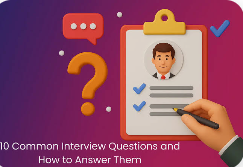
Job interviews are one of the most important steps in the hiring process. They allow employers to evaluate your skills, experience, personality, and suitability for a role. While every interview is different, many companies ask similar questions to understand how candidates think, solve problems, and communicate. Preparing for these common interview questions can boost your confidence and increase your chances of landing your dream job.
In this article, we’ll explore the most common interview questions, explain why employers ask them, and provide tips on how to answer them effectively.
Why Interview Preparation Matters
Many candidates believe that having a strong resume is enough to secure a job. However, employers also want to know how well you communicate, handle challenges, and fit within the company culture. Preparing your answers before the interview helps you stay calm, organized, and professional.
Benefits of interview preparation include:
- Increased confidence
- Better communication skills
- Reduced nervousness
- Improved first impression
- Higher chances of getting hired
Researching the company and practicing your responses can make a significant difference.

1. Tell Me About Yourself
This is often the first question in an interview. Employers ask it to learn about your background and communication skills.
How to Answer
Start with your current role or education, mention relevant experience, highlight key skills, and finish by explaining why you’re interested in the position.
Example:
“I recently graduated with a degree in Computer Science and completed internships where I worked on web development projects. I enjoy solving technical problems and learning new technologies, and I’m excited about the opportunity to contribute to your team.”
2. Why Do You Want to Work Here?
Employers want to know if you’ve researched their company and understand their mission.
Tips
- Mention the company’s values or achievements.
- Explain how your goals align with the organization.
- Show genuine interest in the role.
Avoid saying that you’re applying only because you need a job.
3. What Are Your Strengths?
This question helps employers identify what you can contribute.
Choose strengths that are relevant to the position, such as:
- Problem-solving
- Communication
- Leadership
- Teamwork
- Time management
- Adaptability
Support your answer with a real example whenever possible.
4. What Are Your Weaknesses?
Many candidates fear this question, but honesty combined with self-improvement works best.
Choose a genuine weakness that you’re actively improving.
Example:
“I used to struggle with public speaking, so I joined presentation workshops and regularly volunteer to present during team meetings. My confidence has improved significantly.”
5. Why Should We Hire You?
This question allows you to summarize why you’re the best candidate.
Focus on:
- Relevant experience
- Technical skills
- Soft skills
- Enthusiasm for the role
- Ability to solve problems
Show how your qualifications match the company’s needs.
6. Tell Me About a Challenge You Faced
Behavioral questions help employers understand how you handle difficult situations.
Use the STAR Method:
- Situation: Describe the problem.
- Task: Explain your responsibility.
- Action: Describe what you did.
- Result: Share the positive outcome.
This method keeps your answer clear and organized.
7. Where Do You See Yourself in Five Years?
Employers want candidates who have long-term career goals.
Discuss your desire to:
- Develop new skills
- Take on more responsibility
- Grow within the company
- Contribute to future projects
Avoid unrealistic or unrelated goals.
8. Why Did You Leave Your Previous Job?
Always remain professional.
Good reasons include:
- Career growth
- Learning opportunities
- Company restructuring
- Relocation
- Seeking new challenges
Never criticize previous employers or coworkers.
9. How Do You Handle Pressure?
Most jobs involve deadlines and challenges.
Mention techniques such as:
- Prioritizing tasks
- Staying organized
- Remaining calm
- Communicating with team members
- Breaking large projects into smaller steps
Provide a real example if possible.
10. Do You Have Any Questions for Us?
This question demonstrates your interest in the company.
Good questions include:
- What does success look like in this role?
- What training opportunities are available?
- What are the team’s current priorities?
- How would you describe the company culture?
- What are the next steps in the hiring process?
Avoid asking only about salary or vacation during the first interview unless the employer brings it up.
Common Interview Mistakes
Even qualified candidates can lose opportunities due to avoidable mistakes.
Some common interview mistakes include:
- Arriving late
- Dressing inappropriately
- Speaking negatively about previous employers
- Giving vague answers
- Interrupting the interviewer
- Failing to research the company
- Forgetting to ask questions
- Not maintaining eye contact
Preparing in advance helps avoid these errors.
Tips for a Successful Interview
Follow these practical tips to improve your interview performance:
- Research the company’s background.
- Practice answering common questions.
- Dress professionally.
- Bring extra copies of your resume.
- Arrive 10–15 minutes early.
- Maintain good posture and eye contact.
- Listen carefully before answering.
- Speak clearly and confidently.
- Thank the interviewer before leaving.
- Send a polite follow-up email after the interview.
These simple habits create a positive impression.
Also Read:https://au.seek.com/
Final Thoughts
Interview success is not just about having the right qualifications—it also depends on preparation, confidence, and communication. By understanding the most common interview questions and practicing thoughtful answers, you can present yourself as a capable and professional candidate.
Remember that every interview is a learning experience. Even if you don’t receive an offer, reviewing your performance and improving your responses will help you succeed in future opportunities. With preparation, honesty, and a positive attitude, you can confidently handle almost any interview and move one step closer to achieving your career goals.