

Introduction
Blogging has become one of the most effective ways to share knowledge, build an online presence, and even earn money. Whether you want to write about technology, travel, health, food, gaming, or personal experiences, a well-managed blog can help you reach readers worldwide. However, simply publishing articles is not enough. Successful blogging requires planning, consistency, quality content, and effective promotion.
This guide covers essential blogging tips that can help beginners and experienced bloggers grow their audience and create valuable content.
1. Choose the Right Niche
The first step in successful blogging is selecting a niche. A niche is the main topic your blog focuses on. Choosing a specific niche helps attract a targeted audience an
d improves your chances of ranking in search engines.

- Technology
- Health and Fitness
- Personal Finance
- Travel
- Food and Recipes
- Education
- Gaming
- Digital Marketing
- Business
- Lifestyle
Choose a topic that interests you and has enough demand from readers.
2. Know Your Audience
Understanding your audience is essential for creating content they find useful. Ask yourself:
- Who will read my blog?
- What problems do they face?
- What information are they searching for?
- How can I help them?
When your content solves readers’ problems, they are more likely to return and share your articles.
3. Create High-Quality Content
Content is the foundation of every successful blog. Focus on writing articles that are informative, accurate, and easy to understand.
Good content should:
- Answer readers’ questions
- Be well-organized
- Include practical advice
- Use simple language
- Provide reliable information
Avoid copying content from other websites. Original articles help build trust and improve your search engine rankings.
4. Write Attention-Grabbing Headlines
Your headline is the first thing readers notice. A strong title encourages people to click on your article.
Examples include:
- 10 Blogging Tips Every Beginner Should Know
- How to Start a Successful Blog in 2026
- Blogging Mistakes That Can Hurt Your Website
- The Ultimate Guide to Growing Your Blog
Keep headlines clear, specific, and relevant to the content.
5. Focus on SEO
Search Engine Optimization (SEO) helps your blog appear in search engine results.
Basic SEO practices include:
- Research relevant keywords
- Include keywords naturally in headings and content
- Write descriptive meta titles and descriptions
- Use internal links
- Add descriptive image alt text
- Create user-friendly URLs
Good SEO increases your chances of attracting organic traffic.
6. Publish Content Consistently
Consistency is one of the biggest factors in blogging success. Instead of publishing many articles at once and then stopping, create a regular schedule.
For example:
- One article each week
- Two articles each week
- Three articles per week if possible
A consistent publishing schedule keeps readers engaged and encourages search engines to crawl your website regularly.
7. Make Your Articles Easy to Read
Many visitors scan articles before reading them completely.
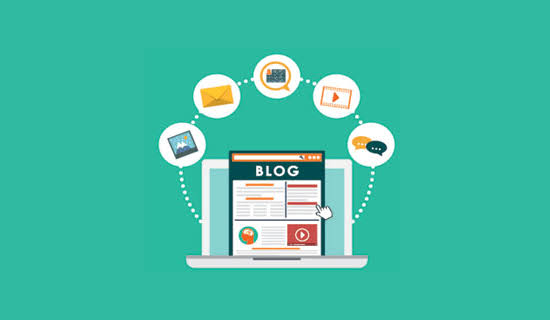
Improve readability by using:
- Short paragraphs
- Clear headings
- Bullet points
- Numbered lists
- Simple language
- Relevant images
Well-structured articles keep readers on your website longer.
8. Add Internal and External Links
Internal links connect your articles together, helping readers discover more content and improving website navigation.
External links to reliable sources can provide additional context and increase credibility when appropriate.
A balanced linking strategy improves user experience and supports SEO.
9. Optimize Images
Images make blog posts more attractive, but they should also be optimized.
Best practices include:
- Compress large images
- Use descriptive file names
- Add alt text
- Choose high-quality visuals
- Avoid unnecessary large files
Optimized images improve page loading speed and accessibility.
10. Improve Website Speed
A slow website can frustrate visitors and increase bounce rates.
To improve speed:
- Use reliable web hosting
- Compress images
- Enable browser caching
- Minimize unnecessary plugins
- Optimize your website’s code
Fast-loading websites provide a better user experience.
11. Promote Your Blog
Publishing an article is only the beginning. Promote your content to reach more readers.
You can share your articles on:
- X (formerly Twitter)
- Online communities related to your niche
- Email newsletters
Promotion helps increase traffic and build your audience.
12. Engage With Your Readers
Building relationships with readers encourages loyalty.
Ways to engage include:
- Reply to comments
- Answer questions
- Encourage feedback
- Ask readers for topic suggestions
- Create helpful discussions
Active engagement builds trust and encourages repeat visits.
13. Monitor Your Performance
Use analytics tools to understand how your blog is performing.
Track metrics such as:
- Page views
- Traffic sources
- Popular articles
- Average time on page
- Bounce rate
- Search performance
Regular analysis helps you identify what works and where improvements are needed.
14. Keep Learning
Blogging changes over time as search engines, technology, and reader preferences evolve.
Stay updated by learning about:
- SEO improvements
- Content marketing
- AI tools for productivity
- Website optimization
- Social media strategies
- Email marketing
Continuous learning helps your blog remain competitive.
Common Blogging Mistakes
Avoid these common mistakes:
- Publishing low-quality content
- Ignoring SEO
- Posting inconsistently
- Using misleading titles
- Writing only for search engines instead of readers
- Not proofreading articles
- Neglecting website speed
- Ignoring audience feedback
Learning from these mistakes can improve your blog’s long-term success.
Also Read:https://www.bloggingwp.com/
Conclusion
Successful blogging requires patience, consistency, and a commitment to creating valuable content. By choosing the right niche, understanding your audience, writing high-quality articles, optimizing for SEO, publishing regularly, and promoting your content effectively, you can steadily grow your blog and attract loyal readers.
Remember that blogging is a long-term journey rather than a quick way to achieve results. Focus on helping your audience, improving your writing, and learning from your performance over time. With dedication and continuous improvement, your blog can become a trusted resource that attracts visitors, builds credibility, and supports your personal or professional goals.