

Introduction
Education has changed dramatically over the past decade, thanks to advancements in technology. Traditional classrooms are no longer the only place where learning takes place. Today, students, teachers, and parents can access educational resources anytime and anywhere through digital platforms. One of the most important innovations in this field is the eSchool system.
An eSchool is a digital learning and school management platform that helps educational institutions manage academic activities online. From attendance tracking and grade management to online classes and communication, eSchool simplifies many aspects of education. It benefits students, teachers, administrators, and parents by making learning more organized, efficient, and accessible.
This article explores what eSchool is, how it works, its features, benefits, challenges, and why it has become an essential part of modern education.
What Is an eSchool?
An eSchool is an online education management system that combines learning tools with administrative features. It allows schools, colleges, and universities to manage academic records, communicate with students and parents, conduct online classes, and store important educational information in one centralized platform.
Unlike traditional paper-based systems, an eSchool platform uses cloud technology and internet connectivity to make educational resources available digitally. Users can access the system through a web browser or mobile application.
How Does an eSchool Work?
An eSchool platform acts as a central hub where different users have separate accounts based on their roles.
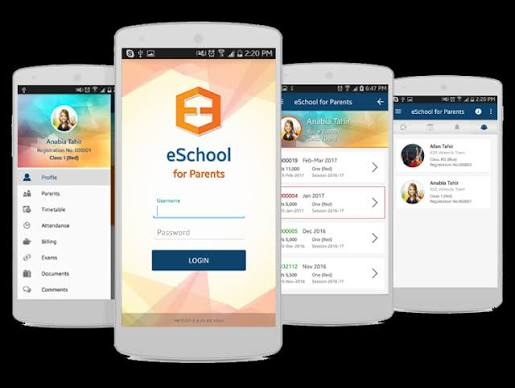
For example:
- Students can view assignments, grades, attendance, and class schedules.
- Teachers can upload study materials, assign homework, record attendance, and evaluate student performance.
- Parents can monitor their children’s academic progress.
- School administrators manage admissions, fees, staff records, and overall school operations.
Because everything is stored digitally, information can be updated instantly and accessed from almost anywhere with an internet connection.
Key Features of an eSchool System
1. Student Information Management
The platform stores detailed student records, including:
- Personal information
- Enrollment details
- Attendance history
- Academic performance
- Examination results
- Medical records (where applicable)
This reduces paperwork and improves data organization.
2. Online Attendance
Teachers can mark attendance digitally, making the process faster and more accurate. Parents may also receive notifications when a student is absent.
3. Grade and Report Card Management
Teachers can upload exam scores and assignments directly into the system. Students and parents can view grades without waiting for printed report cards.
4. Homework and Assignments
Assignments can be uploaded online, allowing students to:
- Download homework
- Submit completed work
- Receive teacher feedback
- Track deadlines
This supports both classroom and remote learning.
5. Online Learning
Many eSchool platforms include virtual classroom features such as:
- Live video lessons
- Recorded lectures
- Digital whiteboards
- Interactive quizzes
- Learning resources
These tools make remote education more effective.
6. Communication Tools
Communication is one of the biggest advantages of eSchool systems.
Teachers, parents, and students can exchange messages regarding:
- Homework
- Attendance
- School announcements
- Events
- Exam schedules
- Academic progress
This creates stronger collaboration between schools and families.
Benefits of eSchool
Improved Accessibility
Students can access study materials from home, during travel, or from any location with internet access. Learning is no longer limited to classroom hours.
Better Organization
Digital records eliminate large amounts of paperwork. School administrators can quickly retrieve important information whenever needed.
Enhanced Communication
Parents remain informed about their child’s education through notifications, reports, and direct communication with teachers.

Time Savings
Administrative tasks such as attendance, grading, scheduling, and report generation become much faster using automated systems.
Accurate Record Keeping
Since information is stored digitally, schools reduce errors associated with manual record keeping.
Eco-Friendly Solution
Digital documents reduce paper consumption, making schools more environmentally friendly.
Advantages for Students
Students benefit from eSchool platforms in many ways.
Some advantages include:
- Easy access to learning materials
- Online assignment submission
- Faster feedback from teachers
- Flexible learning schedules
- Better academic tracking
- Improved digital skills
- Access to recorded lessons
Students also become more independent learners by managing their own schedules and assignments.
Benefits for Teachers
Teachers experience significant improvements in classroom management.
They can:
- Upload lesson plans
- Share educational resources
- Conduct online assessments
- Monitor student progress
- Communicate with parents
- Generate reports automatically
Instead of spending hours on administrative work, teachers can focus more on teaching.
Benefits for Parents
Parents appreciate the transparency offered by eSchool systems.
They can monitor:
- Attendance
- Homework completion
- Grades
- Examination schedules
- School announcements
- Teacher feedback
This allows parents to actively support their children’s education.
Benefits for School Administrators
School management becomes much more efficient through digital automation.
Administrators can manage:
- Student admissions
- Fee collection
- Payroll
- Staff records
- Timetables
- Examination schedules
- Transportation
- Inventory
Many tasks that once required multiple employees can now be completed within a single platform.
Challenges of eSchool
Although eSchool offers many advantages, some challenges remain.
Internet Dependence
Reliable internet access is necessary for students and teachers to use the platform effectively.
Technical Issues
Software updates, server maintenance, and occasional technical problems may temporarily affect access.
Cybersecurity
Schools must protect sensitive student information through strong security measures, regular updates, and secure login systems.
Training Requirements
Teachers, students, and parents may need training to use all platform features effectively.
Future of eSchool
The future of eSchool is closely connected with advances in educational technology.
Emerging technologies include:
- Artificial Intelligence (AI)
- Personalized learning
- Learning analytics
- Virtual Reality (VR)
- Augmented Reality (AR)
- Smart classrooms
- Cloud-based education
- Automated assessments
These innovations will make digital learning even more engaging and efficient.
Tips for Using an eSchool Effectively
To get the most from an eSchool platform:
- Log in regularly to stay updated.
- Complete assignments before deadlines.
- Keep your profile information accurate.
- Check announcements frequently.
- Use strong passwords to protect your account.
- Communicate with teachers when needed.
- Review grades and attendance regularly.
Consistent use helps students stay organized and improves academic performance.
Why eSchool Is Important in Modern Education
Modern education requires flexibility, efficiency, and accessibility. eSchool platforms support these goals by connecting students, teachers, parents, and administrators through one digital system.
Whether learning takes place in a classroom, at home, or in a hybrid environment, eSchool ensures that educational resources remain available whenever they are needed. It also improves collaboration, reduces administrative workload, and helps schools operate more efficiently.
As digital learning continues to expand worldwide, eSchool systems will play an increasingly important role in shaping the future of education.
Also Read:https://www.getapp.com/
Conclusion
An eSchool is much more than an online classroom. It is a comprehensive educational management system that simplifies teaching, learning, communication, and school administration. By offering features such as online attendance, digital assignments, grade management, virtual classrooms, and parent communication, eSchool creates a more connected and efficient learning environment.
Although challenges such as internet access and cybersecurity must be addressed, the benefits far outweigh the limitations. As technology continues to evolve, eSchool platforms will become even more advanced, helping educational institutions deliver high-quality learning experiences to students around the world. Whether you are a student, teacher, parent, or school administrator, embracing eSchool technology is a step toward a smarter and more effective future in education.