

Introduction
Cloud computing has transformed the way businesses manage their IT infrastructure, applications, and data. Organizations of all sizes are adopting cloud technologies to improve efficiency, reduce costs, and increase flexibility. However, moving business systems from on-premises environments to the cloud is not always a simple process. It requires careful planning, technical expertise, and a clear migration strategy. This is where cloud migration consulting becomes essential.
Cloud migration consulting helps businesses successfully transition to cloud platforms while minimizing risks and disruptions. Experienced consultants assess existing IT environments, recommend suitable cloud solutions, create migration plans, and ensure a smooth implementation. Whether a company is moving to Amazon Web Services (AWS), Microsoft Azure, Google Cloud Platform (GCP), or a private cloud, professional consulting services make the migration faster, safer, and more efficient.
This article explains what cloud migration consulting is, why it is important, its benefits, the migration process, common challenges, and best practices for a successful cloud journey.
What Is Cloud Migration Consulting?
Cloud migration consulting is a professional service that helps organizations move their applications, databases, workloads, and IT infrastructure from traditional on-premises systems or legacy environments to cloud platforms.
Cloud consultants analyze a company’s existing infrastructure, identify migration opportunities, recommend the best cloud model, and oversee the migration process. Their goal is to ensure that the transition improves performance, enhances security, and supports long-term business growth.
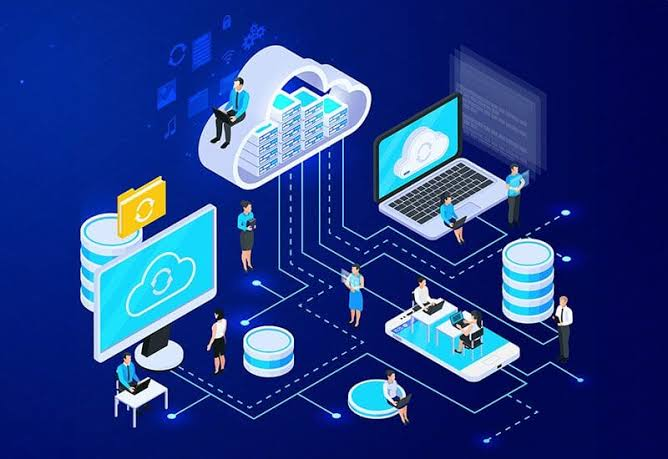
Cloud migration can involve moving to:
- Public cloud
- Private cloud
- Hybrid cloud
- Multi-cloud environments
Each option offers different advantages depending on the organization’s business goals and technical requirements.
Why Businesses Choose Cloud Migration
Modern organizations are under constant pressure to improve efficiency while reducing operational costs. Cloud technology offers numerous advantages that traditional infrastructure often cannot match.
Businesses migrate to the cloud because it provides:
- Greater flexibility
- Lower infrastructure costs
- Faster application deployment
- Improved collaboration
- Better disaster recovery
- Enhanced scalability
- Automatic software updates
- Increased business agility
These benefits allow companies to respond quickly to changing customer demands and market conditions.
Key Services Offered by Cloud Migration Consultants
Cloud migration consultants provide a wide range of services throughout the migration lifecycle.
Cloud Readiness Assessment
Before migration begins, consultants evaluate the organization’s current IT infrastructure, applications, databases, and business processes.
This assessment helps determine:
- Which applications should move first
- Potential compatibility issues
- Infrastructure requirements
- Security risks
- Estimated migration costs
Cloud Strategy Development
Every organization has unique business goals.
Consultants create customized cloud strategies based on factors such as:
- Budget
- Performance requirements
- Compliance needs
- Security expectations
- Future business growth
A well-defined strategy reduces migration risks and improves project success.
Migration Planning
Proper planning is one of the most important stages of cloud migration.
Migration consultants prepare detailed plans covering:
- Project timeline
- Resource allocation
- Risk management
- Data migration
- Application testing
- Rollback procedures
Careful planning minimizes downtime during migration.
Infrastructure Migration
Consultants migrate servers, virtual machines, storage systems, and networking components to cloud platforms while maintaining business continuity.
Application Migration
Legacy applications often require modifications before they can operate efficiently in cloud environments.
Consultants determine whether applications should be:
- Rehosted
- Refactored
- Replatformed
- Rebuilt
- Replaced
Selecting the appropriate migration strategy improves application performance after migration.
Data Migration
Moving business data safely is one of the most critical aspects of cloud migration.
Consultants ensure:
- Secure data transfer
- Data validation
- Backup creation
- Minimal downtime
- Compliance with regulations
Accurate migration protects valuable business information.
Benefits of Cloud Migration Consulting
Working with experienced consultants provides several important advantages.
Reduced Risk
Migration involves many technical challenges.
Professional consultants identify risks early and create solutions before problems affect business operations.
Cost Optimization
Cloud consultants help organizations choose the most cost-effective cloud services.
They eliminate unnecessary resources and optimize infrastructure to reduce ongoing expenses.
Improved Security
Security remains a major concern during cloud migration.
Consultants implement security best practices such as:
- Identity and access management
- Data encryption
- Network security
- Compliance monitoring
- Continuous threat detection
These measures protect sensitive business information.
Faster Migration
Experienced consultants follow proven migration frameworks and automation tools that significantly reduce migration time.
Businesses can begin benefiting from cloud technology sooner.
Better Performance
Cloud optimization improves:
- Application speed
- Storage efficiency
- Network performance
- Resource utilization
This results in better user experiences and increased productivity.
Common Cloud Migration Challenges
Although cloud migration offers many advantages, organizations may encounter several challenges.
Legacy Systems
Older applications may not support modern cloud environments.
Some software requires upgrades or complete redesign before migration.
Data Security
Protecting confidential information during migration is essential.
Improper security configurations can expose businesses to cyber threats.
Downtime
Business interruptions can affect productivity and customer satisfaction.
Consultants use phased migration strategies to minimize downtime.
Budget Management
Unexpected expenses can arise if migration is poorly planned.
Professional consultants provide accurate cost estimates and monitor spending throughout the project.
Employee Training
Employees may require training to effectively use new cloud technologies after migration.
Providing education improves adoption and productivity.
Best Practices for Successful Cloud Migration
Organizations should follow several best practices to maximize migration success.
- Define clear business objectives.
- Conduct a detailed infrastructure assessment.
- Select the appropriate cloud deployment model.
- Create a comprehensive migration roadmap.
- Test applications before full deployment.
- Perform regular data backups.
- Implement strong cybersecurity measures.
- Monitor system performance after migration.
- Optimize cloud resources continuously.
- Train employees on new cloud systems.
Following these practices reduces migration risks and improves long-term results.
Popular Cloud Platforms
Businesses commonly migrate to leading cloud service providers, including:

Amazon Web Services (AWS)
AWS offers a wide range of cloud services, global infrastructure, and excellent scalability for businesses of all sizes.
Microsoft Azure
Azure integrates well with Microsoft products and is widely used by enterprises running Windows-based environments.
Google Cloud Platform (GCP)
Google Cloud provides powerful data analytics, artificial intelligence, and machine learning services alongside reliable cloud infrastructure.
Oracle Cloud Infrastructure (OCI)
OCI is designed for enterprise workloads, databases, and business-critical applications requiring high performance and security.
Future of Cloud Migration Consulting
As digital transformation continues, cloud migration consulting will become even more important. Emerging technologies such as artificial intelligence, machine learning, edge computing, serverless architecture, and automation are changing how organizations use cloud services.
Future consultants will focus not only on migrating workloads but also on optimizing cloud environments for sustainability, resilience, and innovation. Businesses that embrace cloud technologies with expert guidance will be better positioned to compete in a rapidly evolving digital economy.
Also Read:https://prosolvio.com/cloud-migration-services/
Conclusion
Cloud migration consulting plays a vital role in helping organizations transition from traditional IT infrastructure to modern cloud environments. By providing expert planning, technical expertise, security guidance, and ongoing optimization, cloud consultants reduce risks and ensure successful migrations. Whether a business wants to lower operational costs, improve scalability, strengthen security, or accelerate digital transformation, investing in professional cloud migration consulting is a smart decision. As cloud adoption continues to grow worldwide, organizations that plan and execute their migrations carefully will enjoy greater efficiency, improved performance, and a stronger competitive advantage