

Buying a new TV can be confusing because there are so many brands, screen sizes, display technologies, features, and price ranges available. A television is also something many people keep for several years, so choosing the right model requires more than simply selecting the biggest screen or the cheapest option.
Whether you want a TV for movies, sports, gaming, streaming, or everyday entertainment, understanding the important features can help you make a better decision. This TV buying guide explains the key factors to consider before purchasing your next television.
Choose the Right TV Size
Screen size is one of the first things you should consider. TVs are available in many sizes, from compact models suitable for bedrooms to very large screens designed for home theaters.
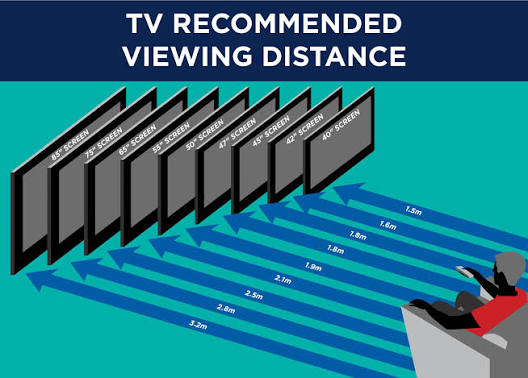
A larger TV can provide a more immersive viewing experience, but bigger is not always better. Consider the size of your room and how far you normally sit from the screen.
For a bedroom or smaller room, a TV around 32 to 50 inches may be sufficient. Medium-sized living rooms can often accommodate televisions between 50 and 65 inches. If you have a large room and sit farther away from the screen, a 75-inch or larger TV may be worth considering.
Before purchasing, measure the available wall or entertainment-unit space. Remember that the TV’s advertised screen size is measured diagonally, so the actual width and height will be different.
Understand TV Resolution
Resolution refers to the number of pixels displayed on the screen. More pixels generally allow a TV to produce sharper images.
Full HD televisions have a resolution of 1920 × 1080 pixels. They can still be useful for smaller screens, but 4K has become a popular choice for modern TVs.
A 4K TV provides 3840 × 2160 pixels, offering four times as many pixels as Full HD. This makes 4K particularly useful for larger screens and detailed content.
Some premium televisions offer 8K resolution. Although 8K can provide extremely detailed images, there is considerably less native 8K content available than 4K content. For many buyers, a good 4K TV provides a better balance between image quality and price.
LED, QLED, OLED, and Mini-LED
Display technology has a major impact on picture quality.
Traditional LED TVs use an LCD panel with LED backlighting. They are widely available and can provide good picture quality at affordable prices.
QLED TVs use quantum-dot technology to improve color and brightness. They can be particularly attractive for bright rooms where high brightness is important.
OLED TVs are different because each pixel can produce its own light. This allows OLED displays to produce very deep blacks and excellent contrast. OLED models are popular among movie enthusiasts and people who want premium picture quality.
Mini-LED TVs use much smaller backlighting LEDs than traditional LED televisions. This can provide improved brightness and contrast while offering an alternative to OLED technology.
Each technology has advantages, so consider your room, viewing habits, and budget rather than choosing a display type based only on its name.
Look at HDR Support
HDR, or High Dynamic Range, can improve the range between bright and dark areas of an image. It can also provide more detailed highlights and richer colors when watching compatible content.
Common HDR formats include HDR10, Dolby Vision, and HDR10+. Support varies between television models and streaming services.
If you frequently watch modern movies and streaming content, choosing a TV with strong HDR support can improve the overall viewing experience.
Consider Refresh Rate
Refresh rate describes how many times the screen can refresh the image each second. It is measured in hertz, or Hz.
A 60Hz television is suitable for everyday television, movies, and many streaming applications. Higher refresh rates, such as 120Hz, can provide smoother motion.
A higher refresh rate can be particularly useful for sports because fast-moving objects may appear smoother. It can also be valuable for gaming, especially when using a compatible gaming console or computer.
However, do not choose a TV based solely on a large refresh-rate number. Check the complete specifications to understand what the television actually supports.
Think About Gaming Features
If you plan to use your TV for gaming, there are additional features worth considering.
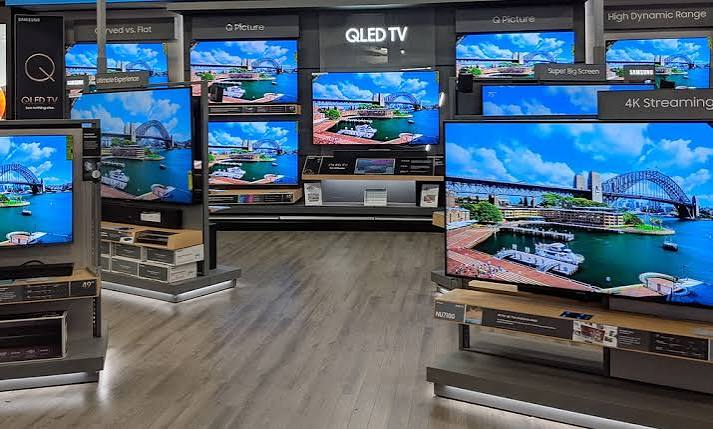
Look for features such as HDMI 2.1 support, low input lag, variable refresh rate, and automatic low-latency modes. These technologies can help provide smoother and more responsive gameplay on compatible devices.
A 120Hz display can also be useful for supported games. Before buying, check how many HDMI ports support the features you need.
If you own multiple gaming systems, a TV with several suitable HDMI ports can make connecting your devices much easier.
Smart TV Features
Most modern televisions include smart features that allow you to access streaming services and online applications without an external streaming device.
Popular smart TV platforms provide access to services such as YouTube, Netflix, streaming applications, music platforms, and other online content.
When comparing smart TVs, consider the interface, application selection, speed, voice-control options, and how long you expect the software to remain supported.
A fast and easy-to-use smart platform can make everyday TV use much more convenient.
Check the Sound Quality
Picture quality gets most of the attention, but sound is also important.
Modern televisions are often very thin, which limits the space available for built-in speakers. Some TVs provide surprisingly good audio, while others may sound relatively weak.
If you want a more cinematic experience, consider adding a compatible soundbar or home theater system.
Before buying, check whether the TV supports the audio connections and formats required by your existing equipment.
Pay Attention to HDMI Ports
HDMI ports are essential for connecting devices such as gaming consoles, streaming boxes, Blu-ray players, and computers.
A TV with only a few HDMI ports may become inconvenient if you have several external devices.
Check both the number of HDMI ports and the capabilities of those ports. If you plan to use modern gaming hardware, make sure the TV has the appropriate HDMI specifications for the features you want.
Consider Brightness and Room Lighting
The lighting in your room should influence your TV choice.
If your room receives lots of natural sunlight, a brighter display can make images easier to see during the day. Some screens can also handle reflections better than others.
For a darker room, contrast and black-level performance may become more important.
Think about when you normally watch television. A TV that looks excellent in a brightly lit store may perform differently in your actual living room.
Don’t Ignore Viewing Angles
Viewing angle refers to how well picture quality remains consistent when you watch the TV from the side.
If everyone sits directly in front of the television, viewing angles may not be a major concern. However, if you have a wide seating arrangement, choose a display that maintains good colors and contrast when viewed from different positions.
This is particularly important for large family rooms where viewers may sit far to the side.
Set a Realistic Budget
Before shopping, decide how much you are comfortable spending.
A higher price does not automatically mean a better TV for your needs. You may be paying for features that you do not actually use.
Instead, prioritize the features that matter most to you. For example, a gamer may prioritize refresh rate and HDMI features, while a movie fan may care more about contrast, HDR performance, and overall picture quality.
Also remember to include the cost of accessories such as a wall mount, soundbar, cables, or streaming equipment if necessary.
Brand and Warranty
Brand reputation can be another factor when choosing a television. Established manufacturers often provide a wide range of models and different levels of customer support.
However, compare individual models rather than assuming every TV from one brand is better than another.
Check the warranty terms before purchasing and understand what is covered. A reliable warranty can provide additional peace of mind, especially when buying a more expensive television.
Also Read:https://www.problogbooster.com/
Final Thoughts
Choosing the right TV does not have to be complicated. Start by deciding the appropriate screen size and budget, then compare resolution, display technology, HDR support, refresh rate, smart features, gaming capabilities, sound, and connectivity.
For many households, a good 4K smart TV offers an excellent combination of image quality, features, and value. If you want premium picture quality, OLED or advanced Mini-LED models may be worth considering. Gamers should pay special attention to refresh rate, input lag, HDMI features, and variable refresh rate support.
The best television is ultimately the one that fits your room, viewing habits, devices, and budget. Taking a little time to compare specifications before buying can help you find a TV that provides an enjoyable viewing experience for years to come.