

A car air conditioner is one of the most important comfort features, especially during hot weather. When the AC suddenly stops working, blows warm air, or produces very little airflow, driving can quickly become uncomfortable. Fortunately, many car AC problems have common causes that can be identified with basic troubleshooting.
A car’s air conditioning system includes several components, including the compressor, condenser, evaporator, refrigerant, blower motor, cabin filter, electrical controls, and various hoses. If one component develops a problem, the entire system may stop cooling properly.
This guide explains the most common reasons why a car AC is not working and what you can do to identify the issue.
Check the AC Settings First
Before assuming there is a major mechanical problem, check the basic AC controls.

Make sure the AC button is turned on and the temperature is set to the coldest or a suitably low setting. Check that the fan is running and that the air is being directed through the appropriate vents.
Also check whether the system is set to recirculation mode. Recirculation can help the vehicle cool the cabin faster because the system repeatedly cools the air already inside the car.
If the AC controls appear normal but the air remains warm, continue troubleshooting.
Low Refrigerant
One of the most common causes of a car AC blowing warm air is low refrigerant.
Refrigerant is the substance that allows the AC system to remove heat from the cabin. If the refrigerant level becomes too low, the system may not be able to produce cold air effectively.
Low refrigerant is often caused by a leak somewhere in the system. Simply adding refrigerant without identifying a leak may only provide a temporary solution.
Signs of low refrigerant can include warm air from the vents, inconsistent cooling, or an AC system that takes a long time to become cold.
Because refrigerant systems require specialized equipment, a qualified automotive technician should inspect the system and repair leaks before recharging it.
Faulty AC Compressor
The compressor is a major part of the vehicle’s air conditioning system. It circulates refrigerant through the system and helps create the pressure required for cooling.
If the compressor fails, the AC may blow warm air even though the blower fan is working normally.
A damaged compressor can sometimes produce unusual noises when the AC is switched on. In other cases, it may simply fail to operate.
Compressor problems can be caused by mechanical wear, electrical issues, insufficient lubrication, or problems elsewhere in the AC system.
Because compressor replacement can be expensive, proper diagnosis is important before replacing the component.
Blown Fuse or Electrical Problem
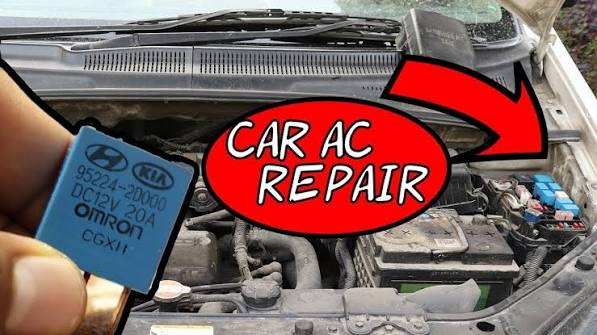
Car AC systems depend on electrical components to operate correctly. A blown fuse, damaged wiring, faulty relay, or defective switch can prevent the system from functioning.
If the AC suddenly stops working, an electrical problem is worth considering.
Your vehicle’s owner’s manual should show the location and function of the relevant fuses. If a fuse is blown, it should be replaced only with the correct type and rating specified for the vehicle.
If the replacement fuse blows again, there may be an underlying electrical problem that needs professional diagnosis.
Dirty or Clogged Cabin Air Filter
A cabin air filter helps remove dust, pollen, and other particles from the air entering the vehicle.
When the filter becomes heavily clogged, airflow through the vents can become weak. The AC may still be producing cold air, but very little of it reaches the cabin.
A dirty cabin filter can also contribute to unpleasant odors and reduced ventilation.
Many vehicles allow the cabin filter to be replaced relatively easily. Check the owner’s manual for the correct replacement procedure and recommended maintenance interval.
Blower Motor Problems
The blower motor pushes air through the vehicle’s vents. If the blower motor fails, you may notice that little or no air comes from the vents even though the AC system is switched on.
A failing blower motor can sometimes work intermittently before stopping completely.
Problems with the blower motor resistor or electronic speed controller can also cause certain fan speeds to stop working.
If the fan only works on one setting or does not operate at all, the blower system should be inspected.
Condenser Problems
The condenser is located near the front of the vehicle and helps release heat from the refrigerant.
Because it is exposed to road debris, dirt, insects, and other contaminants, the condenser can become blocked or damaged.
A dirty condenser may reduce cooling performance. Physical damage can also cause refrigerant leaks.
Keeping the area around the condenser reasonably clean can help maintain proper airflow, but avoid using excessive water pressure that could damage delicate components.
Cooling Fan Issues
The cooling fans help move air through the condenser and radiator area.
If a cooling fan is not operating correctly, the AC may become less effective, particularly when the vehicle is stationary or moving slowly.
You may notice that the AC works better while driving but becomes warm when stopped in traffic.
A faulty fan motor, relay, fuse, wiring problem, or control module can cause this issue. Professional inspection may be required to determine the exact cause.
AC Is Cold but Has Weak Airflow
Sometimes the AC is actually producing cold air, but the airflow from the vents is weak.
A clogged cabin air filter is one possible cause. Other possibilities include blower motor problems, blocked air passages, or issues with the vehicle’s ventilation doors.
If you can feel cold air but there is very little of it coming from the vents, focus on the airflow system rather than immediately assuming the refrigerant is low.
Strange Smells From the AC
An unusual smell coming from the vents can indicate a problem with the vehicle’s ventilation system.
A musty odor may be associated with moisture and buildup around the evaporator or cabin air filter.
Replacing the cabin filter and having the ventilation system inspected can help address persistent odors.
If you notice a strong burning or electrical smell, turn off the system and have the vehicle inspected rather than continuing to operate it.
AC Works Intermittently
An AC system that works sometimes and stops working at other times can be particularly difficult to diagnose.
Possible causes include electrical connections, compressor clutch problems, refrigerant issues, temperature sensors, pressure switches, or control-system faults.
Take note of when the problem occurs. For example, does the AC stop working only when the vehicle is stationary, after driving for a long time, or when the weather is extremely hot?
Providing these details to a technician can make diagnosis easier.
Check for Visible Leaks
If you suspect an AC refrigerant leak, you may notice oily residue around certain AC components or connections.
However, not every refrigerant leak is visible, and attempting to locate or repair one without proper equipment can be difficult.
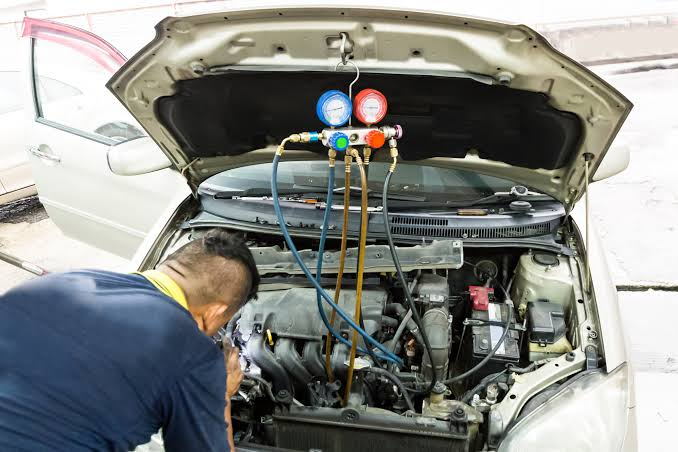
A professional AC inspection can use specialized tools to identify leaks and determine which component needs repair.
When to See a Professional
Some basic checks, such as inspecting controls or replacing a cabin filter, may be suitable for vehicle owners. More complicated AC repairs should generally be handled by a qualified technician.
Professional attention is especially important when the system requires refrigerant recovery, leak testing, compressor replacement, electrical diagnosis, or component replacement.
Modern vehicle AC systems can contain pressurized refrigerant, so attempting complicated repairs without the appropriate equipment and knowledge can damage the system or create a safety risk.
Also Read:https://keepincool.com
Final Thoughts
When your car AC is not working, the problem can range from something simple, such as a clogged cabin filter, to a more complicated issue involving the compressor, refrigerant system, electrical components, or cooling fans.
Start by checking the AC controls, airflow, and cabin filter. Pay attention to whether the air is warm, whether airflow is weak, whether the system works intermittently, and whether unusual sounds or smells are present.
If basic troubleshooting does not solve the problem, professional diagnosis is the safest and most reliable option. A technician can test the refrigerant system, electrical components, compressor, condenser, and other parts to identify the actual cause.
Regular AC maintenance and replacing filters when required can also help keep the system working efficiently. With proper care and timely repairs, your vehicle’s air conditioning system can provide reliable cooling when you need it most.