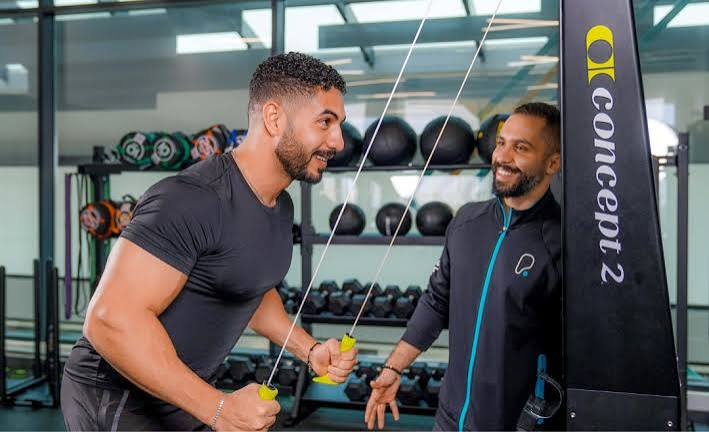

Skipping rope, also known as jump rope, is a simple form of exercise that can be done almost anywhere. It requires very little equipment, is easy to learn, and can provide an effective full-body workout. From improving coordination to supporting cardiovascular fitness, skipping rope can be a useful activity for people with different fitness levels.
You do not need an expensive gym membership or complicated equipment to get started. A suitable skipping rope, comfortable clothing, and enough space are usually all you need. The key is to begin gradually and focus on good technique rather than trying to exercise as intensely as possible.
1. Supports Cardiovascular Fitness
One of the main benefits of skipping rope is that it gets your heart and lungs working.
Jumping continuously requires your body to use more oxygen, which makes skipping a form of cardiovascular exercise. Regular aerobic activity can help support heart and lung health and improve your overall fitness.
You can adjust the intensity by changing your jumping speed. Beginners can start with short periods of gentle skipping and gradually increase the duration as they become more comfortable.
2. Improves Coordination
Skipping rope requires your hands, eyes, and feet to work together.
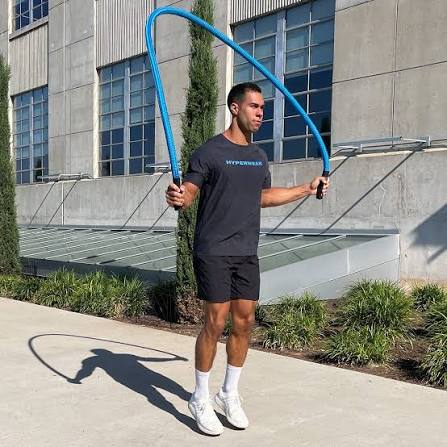
You need to turn the rope with your hands while timing your jumps so that your feet clear the rope. With regular practice, this can improve coordination and body awareness.
This benefit can also be useful for other physical activities and sports that require timing and controlled movement.
3. Helps Develop Balance
Maintaining balance while jumping requires control of your body position.
When skipping, you repeatedly land and prepare for the next jump. Practicing this movement can help you become more comfortable controlling your body during dynamic activities.
Starting with small, controlled jumps can make learning easier. You do not need to jump very high to practice effectively.
4. Strengthens Lower-Body Muscles
Skipping involves repeated movement from the legs and feet. The calves, thighs, and other muscles involved in jumping all contribute to the movement.
Regular skipping can help develop muscular endurance in the lower body. It can complement other activities such as walking, cycling, swimming, or recreational sports.
However, skipping should not be treated as a replacement for every type of exercise. A balanced routine can include different forms of physical activity.
5. Supports Bone Health
Weight-bearing activities such as jumping can place healthy mechanical stress on bones. Along with appropriate nutrition and other physical activity, this type of movement can support bone strength.
Because skipping involves repeated jumping and landing, technique is important. Use a suitable surface, wear supportive athletic shoes, and avoid excessive training.
If jumping causes pain, stop and give your body time to recover. Persistent pain should be discussed with a parent, guardian, coach, or healthcare professional.
6. Improves Agility
Agility involves moving efficiently while controlling your body.
Skipping rope requires quick foot movements and accurate timing. Different skipping patterns can make the activity more challenging as your skills improve.
For example, you can practice alternating your feet rather than performing every jump with both feet together. More advanced patterns can be introduced gradually once basic skipping feels comfortable.
7. Can Be a Convenient Workout
One of the biggest advantages of skipping rope is convenience.
A skipping rope is small and easy to store. You can use it in an appropriate outdoor area, gym, or another safe space with enough clearance.
This makes skipping a practical option when you do not have access to exercise machines or sports facilities.

Always check the surrounding area before jumping. Make sure there are no obstacles, low ceilings, slippery surfaces, or people nearby who could accidentally be hit by the rope.
8. Can Improve Stamina
Skipping for repeated intervals can help develop endurance.
Instead of trying to skip continuously for a long time, beginners can use short activity periods followed by rest. For example, you might practice for a short period, rest until your breathing becomes comfortable, and then repeat.
As your fitness improves, you may naturally be able to continue for longer periods.
The goal should be to build fitness gradually rather than pushing yourself until you are exhausted.
9. Helps Develop Rhythm
Skipping rope has a natural rhythm. The repeated movement of turning the rope and jumping can help you develop a consistent pace.
Rhythm can make skipping easier because your hands and feet begin to work together automatically.
Listening to music may also make exercise more enjoyable, provided you remain aware of your surroundings.
10. Can Be Fun and Varied
Exercise does not have to feel repetitive. Skipping rope offers many ways to make activity more interesting.
You can practice basic jumps, alternate-foot jumps, slower movements, or simple footwork patterns. You can also combine skipping with other age-appropriate physical activities.
Trying different movements can help prevent boredom and give you new skills to practice.
11. Requires Minimal Equipment
Unlike many gym-based exercises, skipping does not require large machines or complicated equipment.
The most important item is a properly sized rope. A rope that is too long or too short can make learning more difficult.
Comfortable athletic shoes are also important because they provide support while you are repeatedly landing.
The exercise area matters as well. A suitable, reasonably forgiving surface is generally preferable to very hard or slippery flooring.
12. Supports an Active Lifestyle
Skipping rope can be one part of an overall active lifestyle.
It can be combined with activities such as walking, cycling, swimming, dancing, playing basketball, football, or other recreational sports.
The most useful exercise routine is one that is enjoyable, realistic, and varied enough to keep you interested.
For young people, regular physical activity is also an opportunity to develop movement skills, confidence, coordination, and healthy habits.
How Beginners Can Start Skipping
If you are new to skipping rope, start slowly.
First, practice turning the rope correctly without worrying about speed. Then try small jumps while keeping your movements controlled.
Keep your jumps relatively low and land softly. Your wrists should do most of the rope-turning rather than making large movements with your entire arms.
It is completely normal to miss the rope when learning. Take a short break and try again instead of repeatedly jumping when you are tired.
You can begin with short sessions and gradually increase your activity as your skills improve.
Common Skipping Mistakes
Several mistakes can make skipping more difficult.
Jumping too high uses more energy than necessary. Large arm movements can also make rope control harder. Another common mistake is trying to go too fast before developing proper rhythm.
Poor footwear or an unsuitable surface can also make the activity uncomfortable.
Focus on controlled movements, good posture, and consistent technique rather than speed.
Safety Tips
Skipping rope is generally a simple activity, but safety should still be taken seriously.
Warm up with gentle movement before beginning. Use an area with enough space and check that the floor is not slippery.
Wear comfortable athletic shoes and start with an intensity that feels manageable.
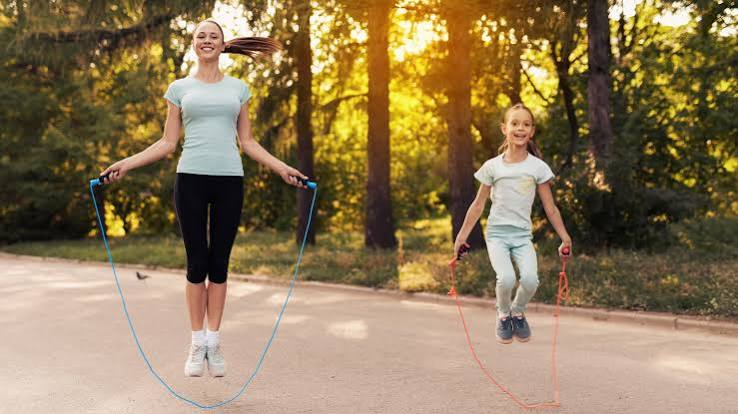
Rest when you are tired and stay hydrated, especially in warm weather. If you experience significant pain, dizziness, or feel unwell, stop exercising and seek help from a trusted adult or appropriate healthcare professional.
Also Read:https://hyperwear.com/
Final Thoughts
Skipping rope offers many benefits, including supporting cardiovascular fitness, coordination, balance, agility, muscular endurance, and overall physical activity. It is inexpensive, convenient, and easy to adapt to different skill levels.
The most important thing is to approach skipping as a fun way to move rather than focusing on appearance or unrealistic fitness goals. Start with basic movements, practice consistently, take rest when needed, and gradually build your skills.
Whether you are practicing at home, participating in sports, or simply looking for an enjoyable way to stay active, skipping rope can be a valuable addition to a balanced and healthy lifestyle.