
Basketball is one of the most popular sports in the world. It is played by two teams that compete to score points by shooting a ball through the opponent’s basket. Although basketball may look simple at first, the game has several rules that control movement, scoring, fouls, possession, and player behavior.
Understanding the basic basketball rules makes the game easier to watch and play. While professional leagues and competitions can have some differences in their regulations, the fundamental principles remain similar. This guide explains the most important basketball rules in a simple and easy-to-understand way.
1. Objective of Basketball
The main objective of basketball is to score more points than the opposing team before the game ends. Players score by successfully throwing the ball through the opponent’s hoop.
A team normally tries to move the ball toward its opponent’s basket while protecting its own basket. Players can pass, dribble, shoot, and move around the court according to the rules.
At the end of the game, the team with the higher score wins. If the score is tied in competitions that require a winner, overtime periods may be played.
2. Number of Players
In standard basketball, each team has five players on the court at one time. Teams also have substitute players who can enter the game when permitted.
Players usually have different roles, such as point guard, shooting guard, small forward, power forward, and center. However, modern basketball often allows players to perform multiple roles depending on the team’s strategy.
Substitutions allow coaches to replace players during the game. They can be used to give players rest, change tactics, or respond to different situations.
3. Basketball Court
A basketball court has two baskets, one at each end. The court includes several important areas and markings.
These include the center circle, sidelines, baseline, free-throw line, three-point line, and key or restricted areas near the basket.
The exact court dimensions and markings can vary between competitions. However, the basic purpose of these areas remains the same.
Players must understand where they are on the court because certain rules depend on their position.
4. Starting the Game
A basketball game begins with a jump ball at the center of the court under many standard rule sets. The officials determine possession according to the applicable competition rules.
After the game begins, teams attempt to gain possession and move the ball toward their attacking basket.
At halftime, teams switch ends of the court. This helps ensure that both teams play under similar court conditions during the game.
5. Scoring Rules
Basketball has different scoring values depending on where and how a shot is taken.
A successful free throw is worth one point. A normal field goal made from inside the three-point line is worth two points.
A successful shot from beyond the three-point line is worth three points.
The exact location of a player’s feet and the position of the ball determine whether a shot counts as a two-point or three-point basket.
6. Dribbling the Ball
Dribbling is one of the most important skills in basketball. A player dribbles by repeatedly bouncing the ball against the floor while moving.
A player cannot normally run while simply carrying the ball. They must dribble while moving or establish a legal pivot after stopping.
Players can use either hand to dribble and can change direction while maintaining control of the ball.
Good dribbling allows players to move around defenders, create space, and advance the ball.
7. Traveling
Traveling is a violation that occurs when a player moves illegally with the ball without properly dribbling.
Players are allowed to establish a pivot foot after gaining control of the ball. They must follow the applicable rules regarding their steps and movement.
If a player takes illegal steps, the officials can call traveling and award possession to the opposing team.
Traveling is one of the most common violations beginners need to learn.
8. Double Dribble
A double dribble is another common violation. Generally, a player cannot stop dribbling and then start dribbling again unless the ball has been touched by another player or the situation otherwise permits it.
For example, if a player stops their dribble and gains control of the ball with both hands, they generally cannot begin a new dribble.
A double-dribble violation results in a change of possession.
9. Passing
Players can pass the ball to teammates using different techniques, including chest passes, bounce passes, and overhead passes.
Passing is essential because basketball is a team sport. Players use passes to move the ball quickly, create scoring opportunities, and avoid defenders.
A team cannot simply hold the ball indefinitely. Depending on the competition’s rules, teams may have limited time to advance the ball and attempt a shot.
10. Shot Clock
In many organized forms of basketball, teams have a limited amount of time to attempt a shot after gaining possession.
This is known as the shot clock. Its purpose is to encourage offensive action and prevent teams from holding the ball for excessive periods.
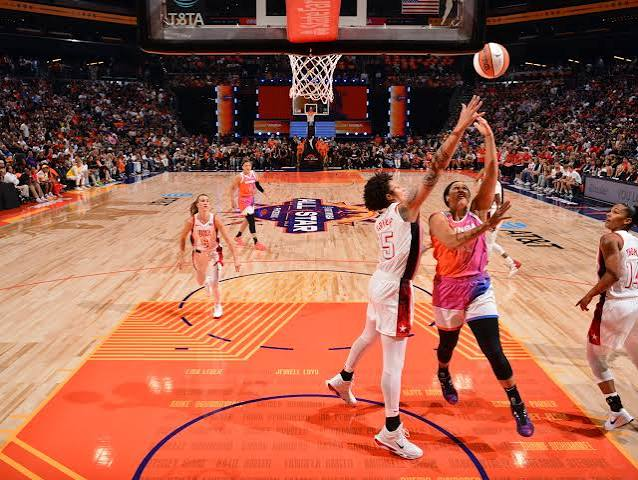
If the team fails to make a qualifying attempt within the required time, possession may be awarded to the opposing team.
Shot-clock rules can differ between competitions.
11. Out of Bounds
The basketball is considered out of bounds when it touches the boundary area or a player who is out of bounds, according to the applicable rules.
When the ball goes out of bounds, the opposing team usually receives possession.
Players must also be careful not to step on or cross the boundary while controlling the ball.
12. Fouls
A foul occurs when a player makes illegal physical contact with an opponent or commits another type of prohibited action.
Common personal fouls can involve illegal pushing, holding, blocking, or other forms of improper contact.
Basketball officials monitor physical contact carefully because excessive contact can create an unfair advantage or increase the risk of injury.
The consequences of a foul depend on the situation, the team foul count, and the competition’s rules.
13. Free Throws
Free throws are uncontested shots taken from the free-throw line. They are usually awarded following certain defensive fouls or other situations defined by the rules.
A successful free throw is worth one point.
Players must remain behind the free-throw line until the ball reaches the basket according to the applicable rules. Other players also have designated positions during free throws.
14. Personal and Team Fouls
Individual players can accumulate personal fouls during a game. If a player reaches the applicable foul limit, they may be required to leave the game.
Teams can also accumulate fouls during a period. When a team reaches certain foul limits, the opposing team may receive free-throw opportunities depending on the competition’s rules.
The exact foul limits and penalty situations vary between organizations.
15. Offensive Fouls
Offensive players can also commit fouls. One example is an illegal charging action, where an attacking player makes prohibited contact with a defender who has established a legal position.
Offensive fouls can result in a change of possession.
Players need to control their movements and avoid using their bodies illegally to create space.
16. Defensive Rules
Defenders are allowed to guard opponents, but they cannot use illegal physical contact to stop them.
Defensive players can move laterally, contest shots, attempt steals, and position themselves between the attacker and the basket.
However, they must follow rules concerning legal guarding position and contact.
Good defense requires timing, positioning, communication, and awareness rather than simply making physical contact.
17. Goaltending and Basket Interference
Basketball has specific rules concerning shots near the basket.
Goaltending generally involves illegally interfering with a shot that is on its way to the basket under circumstances defined by the rules.
Basket interference involves illegal contact with the ball or basket during a scoring attempt.
These rules prevent players from gaining an unfair advantage by interfering with shots at the basket.
18. Jump Ball and Possession
Jump balls can occur at the beginning of a game and in certain situations depending on the rules being used.
Many competitions use a possession arrow system after the opening jump ball to determine possession in specific held-ball situations.
The exact procedure depends on the governing organization.
19. Referees and Officials
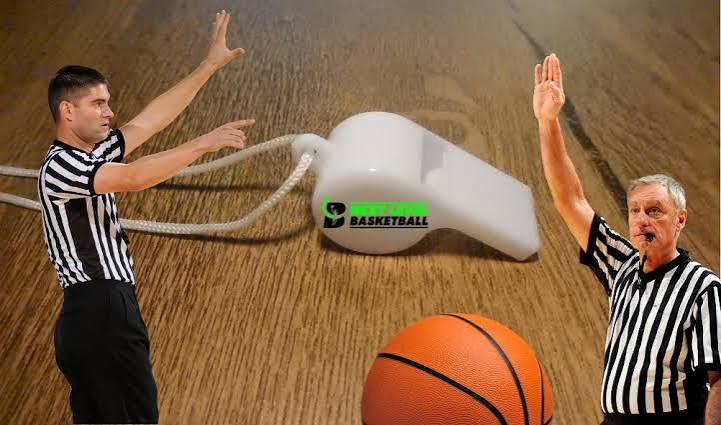
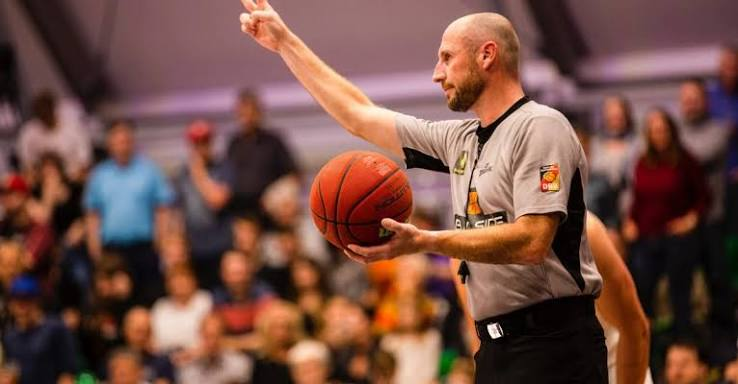
Basketball games are controlled by referees and other officials. Their job is to enforce the rules, make calls, manage game situations, and ensure fair competition.
Players are expected to respect officials and follow their decisions during the game.
Coaches and players may have opportunities to question certain decisions through the procedures permitted by their competition, but inappropriate behavior can result in technical fouls or other penalties.
20. Why Learning Basketball Rules Matters
Understanding basketball rules helps players make better decisions during games. It also makes watching basketball more enjoyable because fans can understand why referees stop play or award possession.
Beginners should focus on learning basic concepts first, including dribbling, traveling, fouls, scoring, passing, and out-of-bounds rules.
As players gain experience, they can learn more advanced rules involving defensive positioning, shot-clock situations, substitutions, and specialized competition regulations.
Also Read:https://www.magnific.com/
Final Thoughts
Basketball is an exciting sport that combines teamwork, skill, speed, strategy, and physical fitness. Although there are many rules, beginners can learn them gradually through practice and watching games.
The most important rules to understand include scoring, dribbling, traveling, double dribbling, fouls, free throws, out-of-bounds situations, and defensive restrictions. Knowing these basics provides a strong foundation for playing and understanding basketball.
Because rules can vary between organizations such as international competitions, professional leagues, and school basketball, players should always check the regulations used by their particular competition. With practice and a good understanding of the rules, basketball becomes easier to play and even more enjoyable to watch.