
A village is a small community where people live in a relatively peaceful and less crowded environment. Villages can be found in almost every part of the world, and each one has its own culture, traditions, landscape, and way of life. Compared with large cities, villages are usually quieter, more connected to nature, and closely associated with agriculture and local communities.
Village life has played an important role in human civilization for thousands of years. Even today, many people continue to live in villages and depend on farming, livestock, small businesses, and local trades for their livelihoods. At the same time, modern technology and better infrastructure are gradually changing traditional village life.
What Is a Village?
A village is generally a small settlement with a smaller population than a town or city. The exact definition varies from country to country. Some villages may contain only a few dozen homes, while others can have thousands of residents.
Villages are commonly located near farmland, rivers, forests, mountains, or other natural areas. Homes may be arranged along roads, around a central marketplace, or across agricultural land.
Many villages have essential facilities such as schools, small shops, places of worship, health centers, community buildings, and local markets. Larger villages may have transportation services and other facilities that make daily life easier.
Village Life
Village life is often associated with peace, simplicity, and a strong connection with nature. People may wake up early, work during the day, and spend evenings with family members or neighbors.
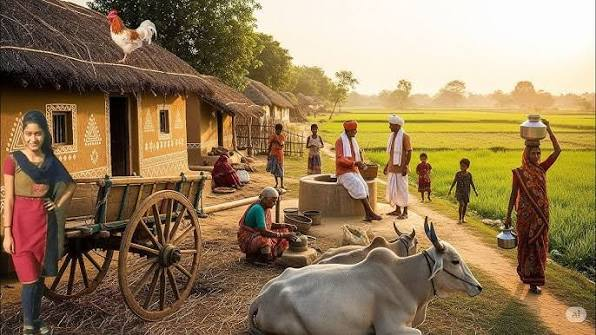
Agriculture is an important part of life in many villages. Farmers may grow crops such as wheat, rice, vegetables, fruits, corn, or other plants depending on the local climate. Some families also keep animals such as cows, goats, sheep, chickens, or buffalo.
However, not everyone in a village is a farmer. Teachers, shopkeepers, healthcare workers, drivers, builders, craftspeople, and other professionals also contribute to the local economy.
Agriculture and Village Economy
Agriculture remains one of the most important economic activities in rural communities. Farmers produce food for their families and local markets and may sell extra crops to larger towns and cities.
Village economies can also include livestock farming, fishing, handicrafts, small businesses, transportation, food production, and local services.
In many places, modern farming equipment has changed agricultural work. Tractors, irrigation systems, improved seeds, and modern tools can help farmers increase productivity and reduce physical labor.
At the same time, small farmers can face challenges such as changing weather, rising production costs, limited access to markets, and fluctuating crop prices.
Community and Relationships
One of the most important features of village life is the sense of community. People often know their neighbors and may help each other during important events or difficult times.
Community relationships can be particularly strong during weddings, festivals, religious occasions, harvest seasons, and other local celebrations.
Neighbors may share food, help with household tasks, support families during emergencies, or work together on community projects. This social connection can create a strong feeling of belonging.
Village Culture and Traditions
Every village has its own traditions and cultural identity. These traditions may include local clothing, food, music, crafts, celebrations, stories, and customs.
Traditional knowledge is often passed from older generations to younger family members. Local craftspeople may continue producing handmade products using techniques that have existed for generations.
Festivals can also bring villagers together. They provide opportunities for families and neighbors to meet, enjoy traditional food, participate in cultural activities, and celebrate together.
Education in Villages
Education is an important part of village development. Many villages have primary or secondary schools where children can receive basic education close to home.
However, some rural areas face challenges such as limited educational facilities, shortages of teachers, transportation difficulties, or a lack of technology.

Internet access is changing this situation in many places. Students can increasingly use online educational resources, digital libraries, educational videos, and remote learning platforms.
Improving education in villages can provide young people with more opportunities while also helping communities develop economically and socially.
Healthcare in Rural Areas
Access to healthcare is another important issue for villages. Some rural communities have small clinics or health centers, while residents of remote villages may need to travel considerable distances to reach hospitals.
Modern communication technology can help improve healthcare access through services such as remote consultations and digital health information.
Better roads, transportation, medical facilities, trained healthcare workers, and reliable emergency services can significantly improve the quality of life in rural communities.
Advantages of Village Life
Village life has several advantages. One major benefit is the relatively peaceful environment. Villages generally have less traffic, fewer large buildings, and less noise than major cities.
Another advantage is closer contact with nature. Residents may have easier access to farmland, trees, rivers, mountains, and open spaces.
Villages can also have strong community relationships. People may know each other personally and cooperate more closely.
The cost of some aspects of living can also be lower than in major cities, although this depends greatly on the country and location.
Challenges of Village Life
Despite its advantages, village life can present challenges. Employment opportunities may be more limited than in large cities, especially for specialized professions.
Some villages may also have weaker transportation networks, slower internet connections, fewer healthcare facilities, or limited access to higher education.
Young people sometimes move to cities to find better educational and career opportunities. This migration can reduce the working-age population in some rural communities.
Infrastructure development can help address many of these challenges. Better roads, electricity, internet access, schools, healthcare facilities, and local employment opportunities can make village life more sustainable.
Technology and Modern Villages
Technology is changing villages around the world. Smartphones and internet connections allow rural residents to communicate quickly, access information, study online, use digital banking, and promote local businesses.
Farmers can use weather information, agricultural applications, modern irrigation systems, and digital marketplaces to improve their work.
Small businesses can also reach customers outside their local communities through online platforms. A craftsperson, for example, may sell handmade products to customers in other cities or countries.
Technology does not necessarily mean abandoning traditional village culture. Instead, it can help communities preserve useful traditions while gaining access to modern opportunities.
Importance of Villages
Villages are important because they contribute significantly to food production, culture, natural resource management, and national economies.
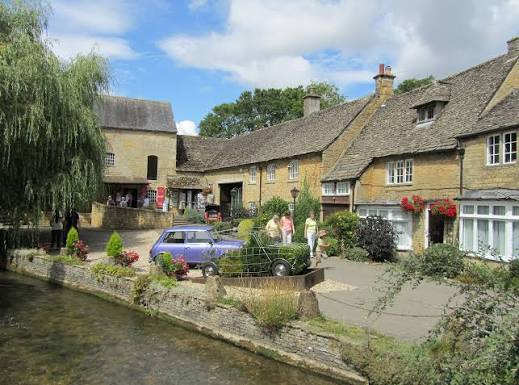
Rural communities often produce the agricultural products that support urban populations. They also preserve traditional knowledge, crafts, languages, and cultural practices.
Villages can provide important environmental benefits as well. Agricultural land, forests, wetlands, and other natural areas surrounding rural communities can support biodiversity and ecological balance when managed responsibly.
The Future of Village Life
The future of villages will likely involve a combination of tradition and modern development. Improved internet access, renewable energy, better transportation, modern farming techniques, education, and healthcare can create new opportunities for rural communities.
Sustainable development is particularly important. Villages need economic opportunities while also protecting farmland, water resources, forests, and local ecosystems.
Remote work may also create new possibilities for some rural residents. If reliable internet is available, certain jobs can be performed without moving to a major city.
Also Read:https://www.nation.com.
Conclusion
A village is much more than a collection of houses. It is a community shaped by people, culture, nature, traditions, and shared experiences. Village life can offer peace, strong relationships, open spaces, and a close connection with the natural environment.
At the same time, rural communities can face challenges involving employment, education, healthcare, transportation, and infrastructure. With thoughtful development and access to modern technology, villages can preserve their unique cultural identity while creating better opportunities for future generations.
Villages will continue to play an important role in society. They provide food, preserve traditions, support local economies, and connect people with the land and natural environment. A successful future for villages will depend on balancing modern progress with the values and traditions that make rural communities special.